












Noticed a white spot on your face, hands, or another part of your body? It is natural to feel concerned, especially when you don’t know why it has appeared. One of the first conditions that may come to mind is vitiligo.
However, not every white patch is vitiligo. Several skin conditions can cause pigmentation changes, and understanding the difference is essential for choosing the right treatment.
At InUrSkn Skin Hair & Body Clinic, Mumbai, Dr. Sejal Saheta believes that identifying the underlying cause is the first step towards effective, personalised care.
What Is Vitiligo?
Vitiligo is a long-term skin condition that causes certain areas of the skin to lose their natural colour. It occurs when the immune system mistakenly attacks melanocytes, the cells responsible for producing melanin, which gives your skin its colour.
As a result, white or lighter patches develop on different parts of the body.
Vitiligo can affect men and women of all ages and skin tones. Although it is not contagious or life-threatening, changes in skin appearance can sometimes affect confidence and emotional well-being.
The encouraging news is that dermatological treatments can help manage vitiligo and, in some cases, restore pigmentation.
What Are the Early Signs of Vitiligo?
Vitiligo may initially appear as a small, pale patch that gradually becomes more noticeable.
Common signs include:
- White or milky-white patches on the face, hands, arms, or feet.
- Gradual enlargement of existing patches.
- Similar patches appearing on both sides of the body.
- Premature whitening of hair in affected areas.
- Pigment loss around the eyes, mouth, or fingers.
Some patches remain unchanged for years, while others spread. Consulting a dermatologist in Mumbai can help determine whether these changes indicate vitiligo or another condition.
Are All White Spots on Skin Caused by Vitiligo?
No. Several conditions can resemble vitiligo, including:
- Tinea Versicolor: A common fungal condition that causes lighter or darker patches, sometimes accompanied by fine scaling.
- Pityriasis Alba: Usually seen in children and teenagers, this mild eczema-related condition causes dry, pale patches, particularly on the face.
- Idiopathic Guttate Hypomelanosis: Small white spots associated with ageing and prolonged sun exposure, commonly affecting the arms and legs.
- Post-Inflammatory Hypopigmentation: Pigment changes that develop after eczema, skin inflammation, or injury.
- Lichen Sclerosus: An inflammatory condition that can cause white, fragile patches, particularly around genital areas.
Because these conditions require different approaches, self-diagnosis and unnecessary application of medicated creams should be avoided.
How Is Vitiligo Diagnosed?
When you visit a skin clinic in Powai, your dermatologist will usually examine the patches, review your medical history, and assess how the pigmentation has changed.
Depending on your symptoms, evaluation may include:
- Wood’s lamp examination: Helps highlight areas of pigment loss.
- Dermatoscopy: Allows a closer examination of pigmentation patterns.
- Blood tests: May be recommended to check for associated thyroid or autoimmune conditions.
- Skin biopsy: Occasionally required when the diagnosis remains uncertain.
Accurate diagnosis ensures that treatment addresses the actual condition rather than just its visible appearance.
What Are the Available Vitiligo Treatment Options?
Although vitiligo currently has no guaranteed permanent cure, different treatments may help control its progression and encourage repigmentation.
1. Topical Medications
Prescription corticosteroids and topical calcineurin inhibitors may help reduce immune activity affecting pigment-producing cells. These are generally considered for suitable patients with limited patches.
2. Excimer Laser Treatment
Excimer laser uses targeted ultraviolet light to treat selected areas of pigment loss. It may be useful for localised vitiligo, depending on the location and stability of the patches.
3. Narrowband UVB Phototherapy
For more widespread vitiligo, dermatologists may recommend controlled light therapy to stimulate pigment restoration. Multiple sessions are usually necessary.
4. Cosmetic Camouflage
Specialised camouflage products can temporarily reduce the visible contrast between affected and unaffected skin.
The most suitable vitiligo treatment in Mumbai depends on the extent, activity, location, and duration of your condition.
Candidate Checklist: Who Is Suitable for Vitiligo Treatment?
You may benefit from a treatment assessment if:
- You have newly developed or spreading white patches.
- Your vitiligo affects your confidence or daily life.
- You have localised patches suitable for targeted treatment.
- You are willing to attend follow-up appointments and follow a treatment plan.
Certain treatments may not be suitable if:
- Your white spots are caused by a fungal infection or another condition.
- You have medical conditions or medications that make light therapy unsuitable.
- You expect immediate or guaranteed pigment restoration.
- You have unstable vitiligo and are considering surgical pigment restoration.
A consultation helps establish realistic expectations and determine which options are appropriate.
What I tell my patients in the exam room
“One of the most common fears I encounter is whether vitiligo will spread across the entire body or whether it can pass to family members.
Vitiligo is not contagious, and its progression varies considerably between individuals. Some people experience only a few stable patches, while others develop new areas over time.
My advice is to avoid panic, unverified home remedies, and excessive experimentation with skincare products.
The goal is to understand your skin, assess disease activity, and choose treatment based on your individual needs.”
— Dr. Sejal Saheta, InUrSkn Skin Hair & Body Clinic
Vitiligo Treatment Cost in Mumbai: Understanding the Long-Term Value
The vitiligo treatment cost in Mumbai varies depending on the affected area, treatment method, number of sessions, and required follow-up care.
Topical medications may involve ongoing prescription expenses, while laser treatment or phototherapy may require several appointments over several months.
Rather than focusing only on the cost of individual sessions, consider the value of accurate diagnosis, appropriate treatment selection, and regular progress monitoring.
Delaying an assessment may allow actively spreading vitiligo to progress unnoticed. However, early treatment does not guarantee complete repigmentation, and not every patient requires immediate intervention.
At InUrSkn, the focus is on helping you understand your options before committing to a treatment plan.
Benefits of Dermatologist-Guided Vitiligo Care
- Accurate identification of the cause of white patches.
- Personalised treatment suited to your skin and condition.
- Potential improvement in pigmentation and disease control.
- Guidance on sun protection and long-term skin care.
- Ongoing monitoring and treatment adjustments.
- Emotional reassurance through informed medical support.
Frequently Asked Questions
- Is vitiligo completely curable?
There is no guaranteed permanent cure, but treatment can help restore pigmentation and manage progression.
- Can vitiligo spread to other people?
No. Vitiligo is not contagious.
- Can stress cause vitiligo?
Stress may be associated with disease activity in some people, but it is not an established sole cause.
- Is vitiligo treatment painful?
Topical treatment is generally painless. Light-based treatments may occasionally cause mild redness or discomfort.
- How long does vitiligo treatment take?
Visible improvement may take several months, depending on the treatment and individual response.
- When should I visit a dermatologist?
Seek an assessment when white patches first appear, change, or begin spreading.
Take the First Step Towards Understanding Your Skin
Living with unexplained white patches can raise many questions. But getting the right diagnosis can make a meaningful difference in how you manage your skin.
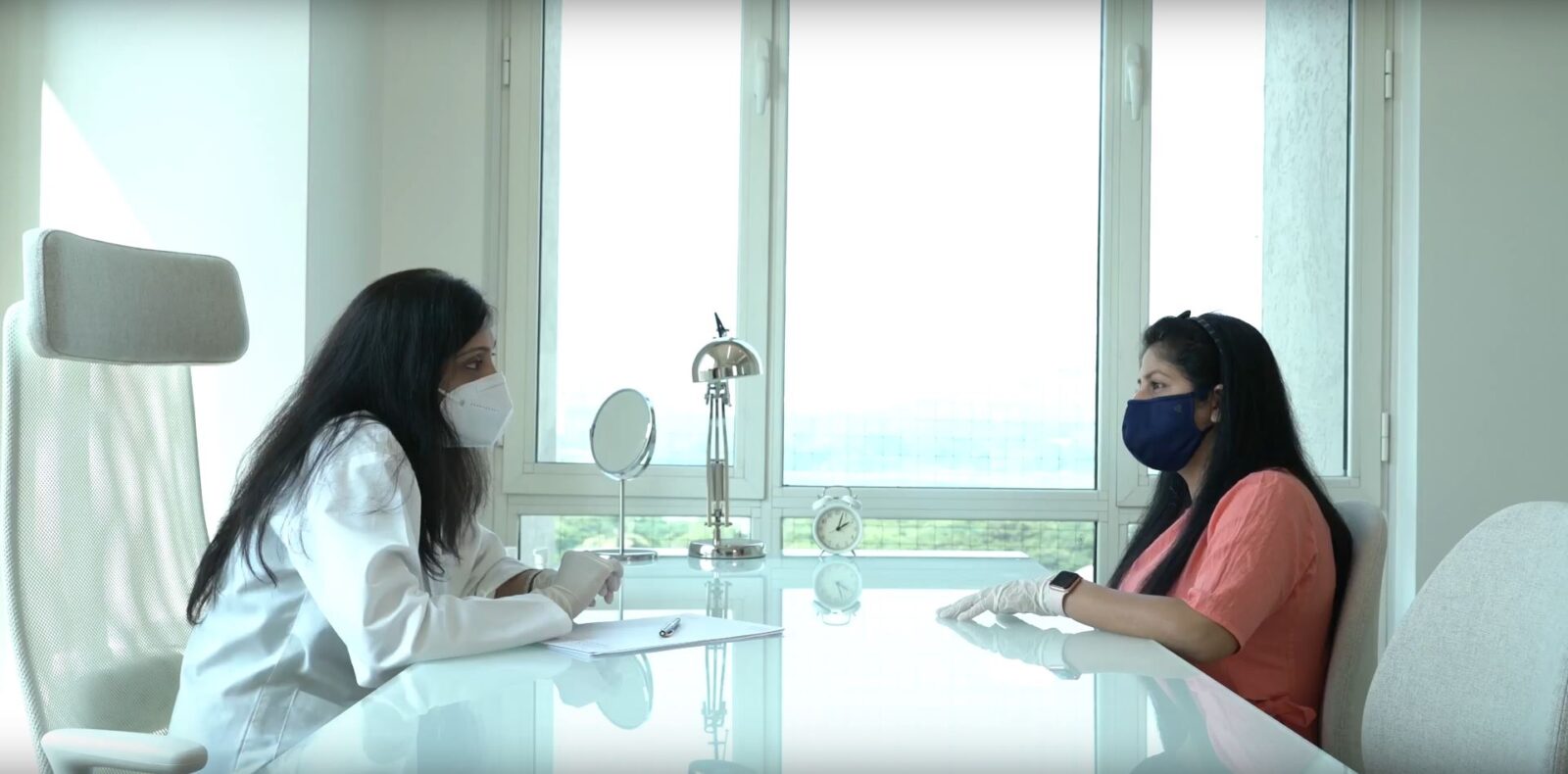
If you are tired of worrying about unexplained white spots or changing skin pigmentation, the next step is a 1-on-1 assessment with Dr. Sejal Saheta at InUrSkn Skin Hair & Body Clinic, Powai, Mumbai, to see if vitiligo treatment is your best path forward.




 Call us
 Book Appointment
 Enquire
 Location


