











Heat Boils (Baltod): Causes, Symptoms, Treatment & Professional Care
Heat boils — or baltod, as they are commonly known — are a frequent skin concern, especially in hot and humid climates. They occur when bacteria such as Staphylococcus aureus infect hair follicles or oil glands, leading to painful, pus-filled lumps. While they are usually harmless, untreated or recurring boils can cause discomfort, spread infection, and even indicate underlying health conditions.
In this blog, we’ll walk you through what causes heat boils, how to treat them, ways to prevent them, and when to seek professional care from a dermatologist in Mumbai.
What Are Heat Boils (Baltod)?
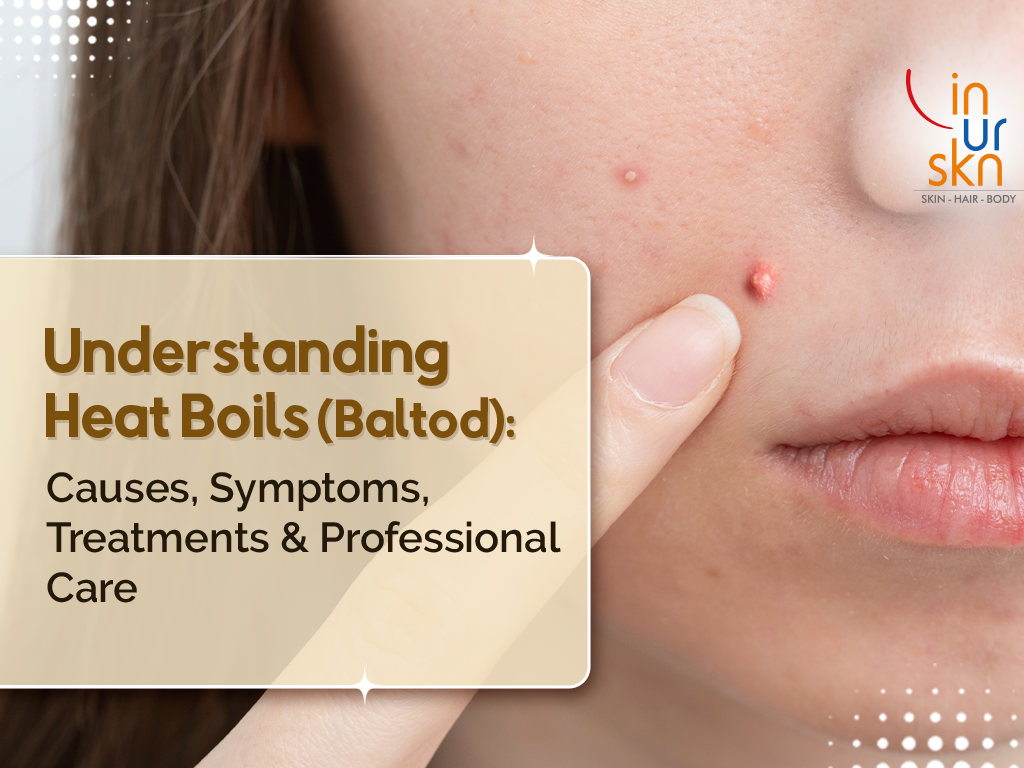
A heat boil is a deeper form of folliculitis, an infection of the hair follicle where pus accumulates beneath the skin. These lesions start as red, tender bumps and gradually develop a yellowish or white head before draining naturally. They can occur anywhere on the body but are more common on areas prone to sweat, friction, or poor ventilation such as the neck, armpits, thighs, and buttocks.
Causes of Heat Boils (Baltod Kyu Hota Hai?)
While anyone can get a heat boil, certain factors increase the risk:
- Bacterial Infection: Usually caused by Staphylococcus aureus, a bacterium naturally present on the skin.
- Pulling of Hair
- Blocking of Pores: Often due to heavy oil massages.
- Skin Injuries: Cuts, insect bites, or skin abrasions provide entry points for bacteria.
- Poor Hygiene: Infrequent washing, sharing personal items, or not cleaning sweat can encourage bacterial growth.
- Excessive Sweating: Traps dirt and bacteria, increasing the chance of infection.
Common Symptoms
Recognising early signs helps speed up healing. Symptoms often include:
- Red, swollen, and tender bump on the skin
- Warmth and increasing pain in the affected area
- Formation of a pus-filled head
- Fever, fatigue, and swollen lymph nodes in severe cases
Baltod Ka Ilaj (How to Treat Heat Boils)
At-Home Care for Mild Boils
If the boil is small and not causing severe discomfort, home remedies can help:
- Apply warm compresses for 10–15 minutes, 3–4 times a day to promote drainage.
- Keep the area clean with antibacterial soap.
- Avoid squeezing or popping the boil to prevent the spread of infection.
Medical Care for Severe or Recurrent Boils
If the boil is large, extremely painful, or accompanied by fever, it is best to visit a skin clinic in Mumbai:
- Incision & Drainage: A doctor can safely remove the pus to reduce infection risk.
- Antibiotics: Prescribed for bacterial control, especially in recurrent or large boils.
- Lab Tests: To check for antibiotic-resistant bacteria like MRSA.
How a Professional Dermatologist Can Help
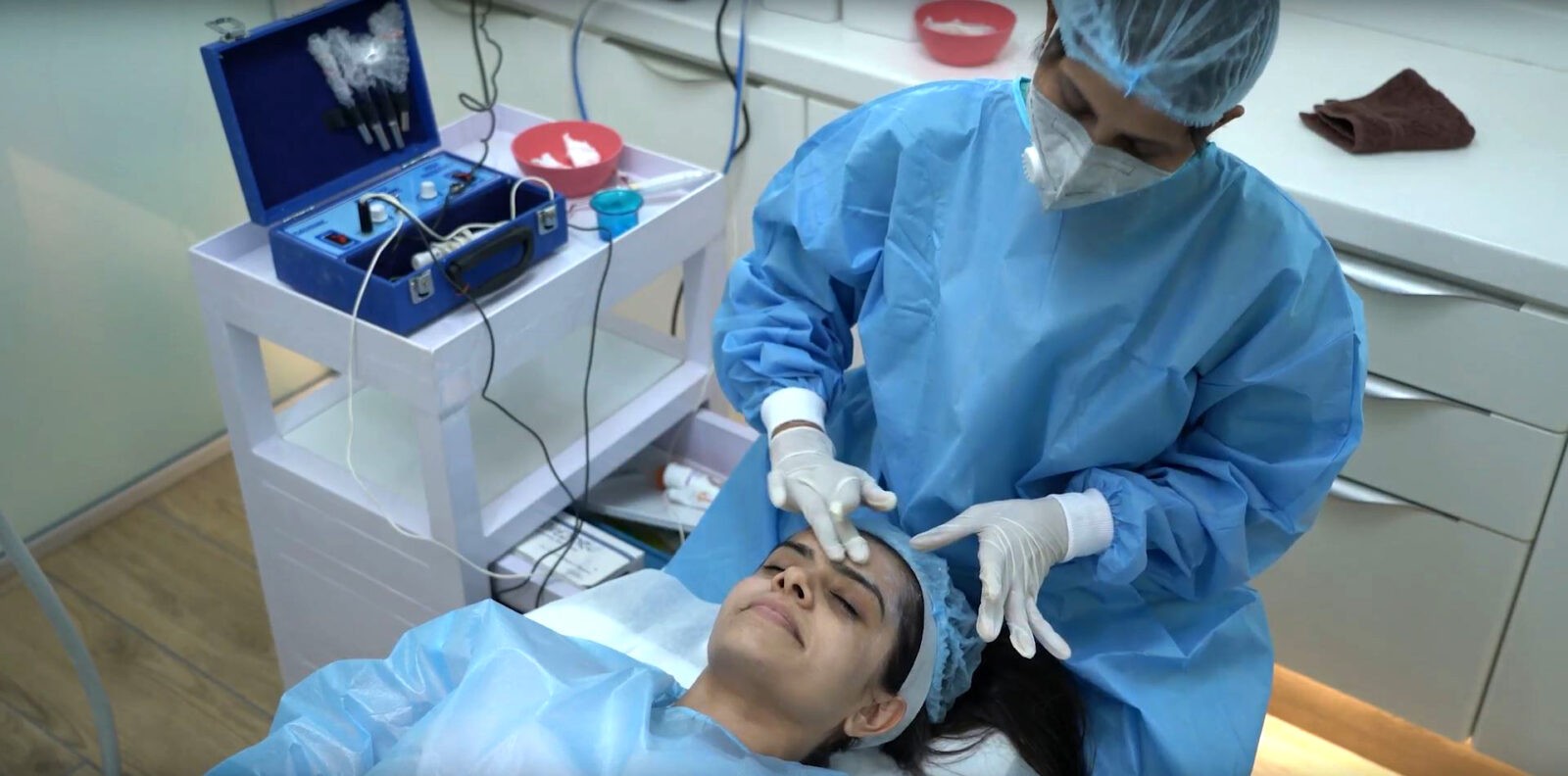
While many heat boils heal on their own, consulting a skin specialist in Mumbai offers significant benefits — especially if you have recurring or severe boils:
- Accurate Diagnosis: A skin doctor in Mumbai can confirm whether it’s truly a boil or another skin condition with similar symptoms.
- Targeted Treatment: They can prescribe the right antibiotics or topical treatments to speed up healing.
- Prevention Guidance: A professional dermatologist in Powai or your local area can identify underlying issues like diabetes, hormonal imbalances, or immune deficiencies that may be causing frequent boils.
- Safe, Sterile Procedures: Ensuring the infection does not spread to other areas of the body.
- Minimising Scarring & Pigmentation: Professional drainage and aftercare drastically reduce the chances of permanent marks. However, if a previous, severe boil has left you with stubborn scars or dark patches, consulting a skilled cosmetologist in Mumbai can be incredibly beneficial. They can assess the healed area and may recommend targeted therapies, such as an advanced laser skin treatment in Mumbai to smooth out the skin texture, or a customised skin lightening treatment in Mumbai to fade post-inflammatory hyperpigmentation and restore an even skin tone.
Prevention Tips to Avoid Heat Boils
- Maintain good personal hygiene and bathe daily, especially after sweating.
- Wear loose, breathable clothing to reduce friction and sweat accumulation.
- Treat small cuts or wounds immediately with an antiseptic.
- Avoid sharing towels, razors, and personal care products.
- Keep chronic health conditions under control with regular check-ups.
How to Get Rid of Heat Boils Quickly
The fastest and safest way to get rid of a heat boil is through professional drainage by a qualified skin specialist in Powai or your nearest clinic. This reduces pain, speeds up healing, and lowers the risk of scarring or recurrence.
When to Seek Immediate Medical Attention
You should visit a skin clinic in Powai or a specialist if:
- The boil worsens or does not heal after a week of home care.
- There is spreading redness, severe swelling, or fever.
- The boil is located near sensitive areas like the face, spine, or genitals.
- You experience frequent recurrences despite preventive care.
Key Takeaway
Heat boils (baltod) may be common, but they shouldn’t be ignored — especially if they recur. By maintaining good hygiene, addressing underlying health issues, and seeking timely professional care, you can treat them effectively and prevent future outbreaks. If you’re dealing with stubborn or painful boils, book an appointment with Dr Sejal Saheta at InUrSkn, a leading skin and hair clinic in Mumbai. For those in the central suburbs, reaching out to a skin doctor in Powai will also ensure safe, professional, and lasting relief.
FAQs About Heat Boils (Baltod)
- Why do we get heat boils on the skin?
Heat boils are usually caused by a bacterial infection, most often Staphylococcus aureus. They can develop when bacteria enter the skin through cuts, insect bites, or blocked sweat glands, especially in hot and humid climates. - Does a boil on the skin go away on its own?
Small boils may drain and heal without treatment in 1–2 weeks. However, larger or painful boils may need medical drainage and antibiotics to prevent complications. - How do I stop getting boils?
Maintain good hygiene, keep your skin clean and dry, wear loose-fitting clothes, avoid sharing personal items, and treat skin injuries promptly to reduce the risk of recurring boils. - What are the main causes of boils?
Boils can be triggered by staph bacteria, poor hygiene, friction from tight clothing, weakened immunity, or underlying conditions like diabetes. - How to treat baltod at home?
Use warm compresses, keep the area clean, and avoid squeezing. Seek medical advice if it worsens. - How long do heat boils take to heal?
Small boils heal in 7–10 days, but larger ones may take up to 2–3 weeks. - What is the fastest way to get rid of a heat boil?
Medical drainage by a doctor is the quickest and safest option for large or painful boils. - Can diet affect heat boils?
A balanced diet boosts immunity, which helps prevent recurrent boils. - How can I avoid getting baltod again?
Maintain hygiene, wear breathable clothing, and manage health conditions that weaken immunity.



 Call us
 Book Appointment
 Enquire
 Location


