













Finding white patches on skin treatment can be confusing because lighter or white-looking areas can develop for several different reasons. A patch may be related to vitiligo, a fungal condition such as pityriasis versicolor, post-inflammatory colour change or another dermatological condition. The appearance alone is therefore not enough to decide which ointment is appropriate.
The same applies when people search for white patches on back or white patches on neck. Pityriasis versicolor commonly affects the chest, upper back, upper arms and neck, while vitiligo can affect almost any area of skin, including the face, neck and hands.
InUrSkn believes that selecting a white patches on skin ointment should begin with identifying the underlying cause. An antifungal treatment may be appropriate for a fungal infection, while vitiligo may require a completely different medical approach. Using the wrong cream can delay appropriate treatment or cause unnecessary skin irritation.
The White Patches on Skin Awareness Index
Not every pale or white patch has the same cause. Some conditions are associated with loss of pigment, while others are caused by an infection or inflammation.
|
Potential Concern |
Possible Clinical Impact |
Appropriate Medical Approach |
|
Vitiligo |
Loss of melanin can produce clearly white patches. |
Dermatological examination and individualised treatment. |
|
Pityriasis Versicolor |
A fungal/yeast-related condition can produce lighter or darker patches. |
Appropriate antifungal treatment after assessment. |
|
Post-Inflammatory Hypopigmentation |
Skin may appear lighter after inflammation or injury. |
Identify and manage the underlying skin condition. |
|
Eczema-Related Light Patches |
Inflammation may leave temporarily lighter areas. |
Treat the underlying dermatitis and protect the skin. |
|
Unidentified White Patch |
Several skin conditions can look similar. |
Professional diagnosis before selecting an ointment. |
The NHS specifically advises seeking medical assessment when skin changes colour because conditions such as pityriasis versicolor and vitiligo can have similar appearances.
Understanding White Patches on Skin Treatment and Ointment Selection
There is no single best ointment for white patches on skin because treatment depends on the diagnosis.
For example, pityriasis versicolor is a common fungal skin infection. The NHS lists antifungal creams and antifungal shampoos, including ketoconazole preparations, among its main treatments.
Vitiligo is different. It occurs when there is a loss of functioning melanocytes, the cells responsible for producing melanin. Treatment may include topical steroids, calcineurin inhibitors, phototherapy or other dermatologist-directed options depending on the individual’s condition.
This distinction is essential when searching for white spots on skin treatment. An antifungal ointment cannot be assumed to treat vitiligo, and a steroid cream should not be self-applied simply because a patch looks white.
Viral, Fungal & Pigment-Related: Why the Diagnosis Matters
White-looking patches can arise from very different mechanisms. Understanding the broad categories helps explain why one cream cannot be considered suitable for every case.
Fungal Skin Conditions
Pityriasis versicolor is caused by an overgrowth of yeast that normally lives on the skin. It can create lighter or darker patches, particularly on the chest, upper back, upper arms and neck. The affected skin may also be dry, scaly or mildly itchy.
The NHS lists antifungal creams and shampoos as common treatments, while larger or persistent cases may require prescription antifungal tablets.
Vitiligo and Pigment Loss
Vitiligo is not a fungal infection. It is a condition in which the cells responsible for producing skin pigment are lost or damaged. The resulting patches may become completely white and can occur on different parts of the body.
Because treatment is different from fungal infection, a dermatologist may recommend a topical medicine, phototherapy or another treatment according to the extent and location of the condition.
Post-Inflammatory Colour Change
Skin can also become lighter following inflammation, irritation or injury. In such situations, treating the original cause and allowing the skin to recover may be more appropriate than applying a generic “whitening patch” ointment.
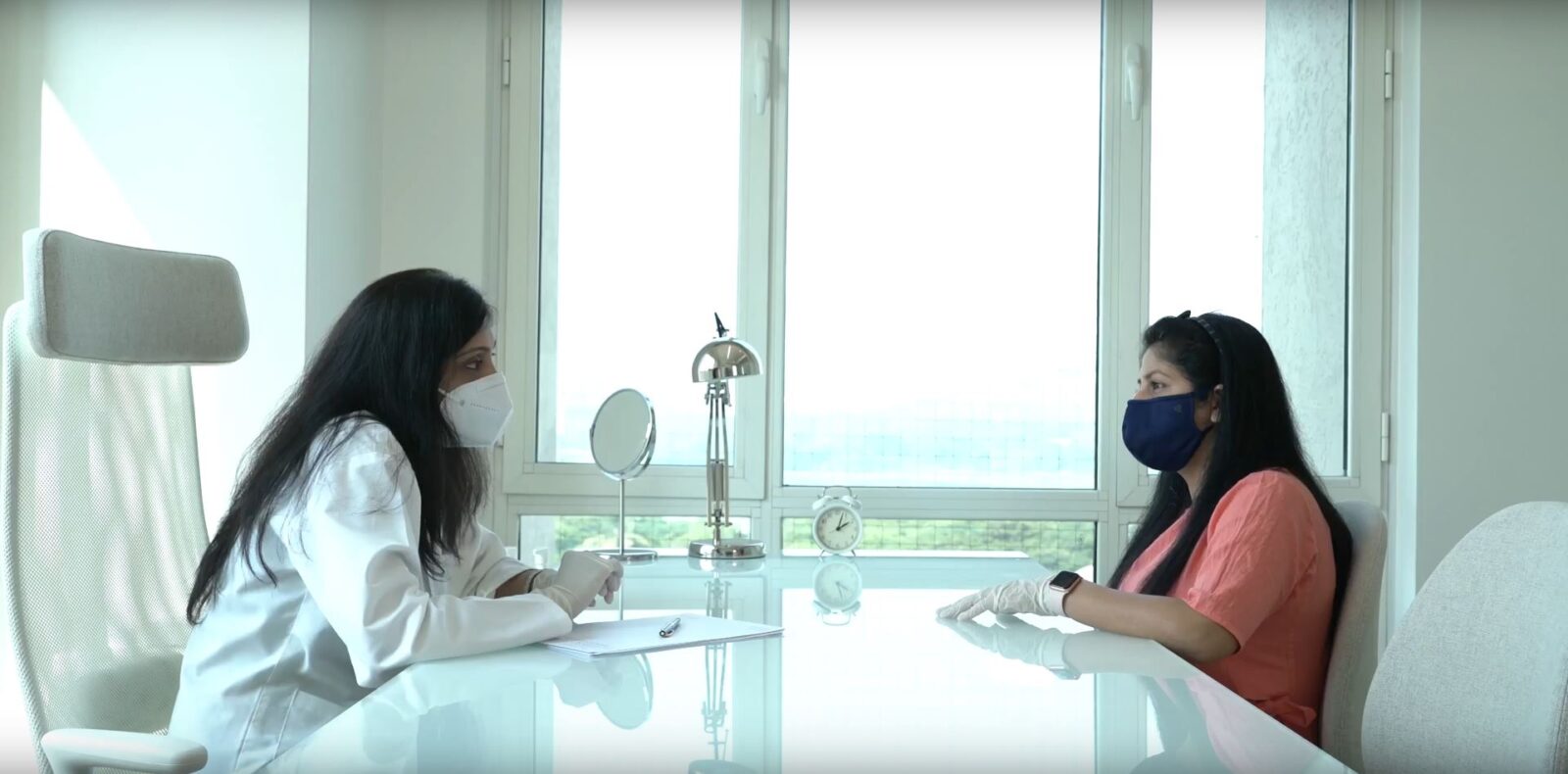
Step-by-Step Expert White Patch Assessment at InUrSkn
Our assessment process is designed around the appearance, location, duration and behaviour of the affected skin.
- Comprehensive Skin Assessment (10–20 Minutes): We review the colour, borders, texture, scaling and distribution of the patches.
- Cause Identification (10–15 Minutes): The clinician considers whether the presentation could be associated with vitiligo, fungal infection, inflammation or another dermatological condition.
- Diagnostic Evaluation (10 Minutes): Where appropriate, additional examination or tests may be recommended. A Wood’s lamp can sometimes help clinicians distinguish vitiligo from conditions such as pityriasis versicolor.
- Custom Treatment Formulation: The treatment is selected according to the diagnosis rather than simply the colour of the patch.
This approach is important because the American Academy of Dermatology states that lighter, white or pink-looking patches can have multiple causes and recommends accurate diagnosis by a dermatologist.
White Patches on Back & Targeted Treatment Guide
The location of white patches can provide useful clinical information, but it cannot establish a diagnosis by itself.
|
Skin Area |
Possible Concern |
General Treatment Consideration |
|
White Patches on Back |
Several pigmentary conditions can cause lighter areas. |
Antifungal treatment may be appropriate if confirmed. |
|
White Patches on Neck |
Pityriasis versicolor frequently affects this area. |
Clinical examination helps distinguish causes. |
|
Face |
Vitiligo and other pigmentary conditions may occur. |
Treatment should be selected carefully for facial skin. |
|
Arms |
Pityriasis versicolor can commonly affect the upper back. |
Assessment of texture, borders and distribution is useful. |
|
Chest |
Can occur with pityriasis versicolor or vitiligo. |
Antifungal treatment may be recommended when diagnosed. |
|
Hands |
Vitiligo can commonly involve the hands. |
Dermatological evaluation may be required. |
The NHS notes that vitiligo commonly affects areas such as the face, neck and hands, while pityriasis versicolor often appears on the chest, upper back, upper arms and neck.
Skin White Patches: Ointment vs Correct Diagnosis
A common mistake is to search for a cream before determining why the skin has changed colour.
|
Approach |
Potential Outcome |
Overall Value |
|
Diagnosis Before Treatment |
Identifies the likely underlying condition. |
⭐⭐⭐⭐⭐ |
|
Condition-Specific Ointment |
Targets the diagnosed cause. |
⭐⭐⭐⭐⭐ |
|
Random OTC Cream |
May not address the cause. |
⭐⭐ |
|
Steroid Without Medical Advice |
Can cause unwanted effects and may mask some conditions. |
⭐ |
|
Delayed Assessment |
Underlying condition may remain untreated. |
⭐ |
For example, topical steroids can sometimes be prescribed for vitiligo, but NHS guidance also highlights potential adverse effects such as skin thinning, stretch marks and visible blood vessels.
Cost Analysis: Early Diagnosis vs Self-Treatment
The practical value of professional assessment is not limited to the consultation itself. Repeatedly purchasing unsuitable creams can increase expenditure while delaying appropriate treatment.
|
Treatment Approach |
Average Cost Impact |
Required Follow-Up |
Value Rating |
|
Dermatological Assessment |
Initial consultation cost |
As advised |
⭐⭐⭐⭐⭐ |
|
Targeted Prescription Treatment |
Depends on diagnosis |
Condition dependent |
⭐⭐⭐⭐⭐ |
|
Random Ointment Trials |
Repeated product expenditure |
Often uncertain |
⭐⭐ |
|
Self-Treatment With Steroids |
Potential treatment and side-effect costs |
Medical monitoring may be needed |
⭐ |
|
Delayed Assessment |
Hidden cost through prolonged symptoms |
Potentially extensive |
⭐ |
The most economical approach is therefore not necessarily the cheapest tube of ointment. It is the approach that identifies the underlying condition and directs treatment appropriately.
Do You Know?
Pityriasis Versicolor Can Make Skin Look White
Pityriasis versicolor can produce pale or white-looking patches, particularly on darker skin tones. The patches can also be pink, brown or darker than surrounding skin and may appear dry or scaly.
White Patches Do Not Automatically Mean Vitiligo
The American Academy of Dermatology explains that light, white or pink patches can develop for several reasons, including vitiligo, tinea versicolor and skin injury. Accurate diagnosis is therefore important.
Skin Colour May Take Time to Return After Fungal Treatment
Even after the yeast causing pityriasis versicolor has been treated, the skin can remain lighter or darker for weeks or months before its normal colour returns.
Vitiligo Can Affect the Neck and Other Visible Areas
Vitiligo can occur anywhere on the skin but commonly affects areas including the face, neck and hands.
Source: NHS – Vitiligo NHS – Vitiligo
The White Patch Assessment & Treatment Response Timeline
- Days 1–3: Initial Assessment Phase
The clinician evaluates the white or lighter patches, including their location, borders, texture and any associated itching or scaling.
Care Point: Do not assume that every white patch is vitiligo or fungal infection.
- Days 4–10: Diagnostic & Treatment Selection Phase
Where appropriate, the clinician may perform additional examination or recommend testing before selecting treatment.
Care Point: Avoid starting steroid or antifungal ointments without understanding the likely diagnosis.
- Days 14–28: Early Treatment Response Phase
The underlying condition begins to respond according to the treatment prescribed. With fungal infections, the organism may respond before the skin colour returns completely.
Care Point: Do not stop appropriate treatment simply because pigmentation has not immediately returned.
- Months 2–6+: Pigment Recovery & Follow-Up Phase
Some conditions can require longer observation before the skin colour becomes more even. Pityriasis versicolor, for example, may leave lighter or darker skin for weeks or months after successful treatment.
Care Point: Follow-up is important if patches continue spreading, new areas appear or the diagnosis remains uncertain.
Recommended Daily Preventive & Skin-Care Protocol
To protect affected skin and reduce unnecessary irritation, follow these practical measures:
- Sun Protection: Use appropriate broad-spectrum sunscreen, particularly when lighter areas are more vulnerable to sunburn. NHS guidance recommends high-SPF protection for people with vitiligo.
- Avoid Unverified Ointments: Do not repeatedly experiment with steroid, antifungal or combination creams without medical advice.
- Gentle Skin Care: Use mild cleansing products and avoid aggressive scrubbing over affected areas.
- Do Not Scratch: Scratching can worsen irritation and may contribute to further skin changes.
- Monitor New Patches: Note whether existing areas are enlarging or new white patches are developing.
- Follow Treatment Instructions: Complete any prescribed treatment according to your clinician’s instructions.
Why Choose InUrSkn?
At InUrSkn, we treat skin white patches as a diagnostic concern rather than assuming that every pale area requires the same ointment.
The difference between vitiligo, pityriasis versicolor and post-inflammatory pigment changes can influence the entire treatment approach. For example, antifungal medicines are commonly used for confirmed pityriasis versicolor, whereas vitiligo may require topical medicines, phototherapy or other dermatologist-directed treatments.
Our approach focuses on identifying the likely cause before recommending treatment. This is particularly important for people searching for white patches on skin ointment, because choosing an inappropriate product can delay proper care.
Whether the concern involves white patches on back, white patches on neck or another area, an individualised dermatological assessment can help determine the most appropriate next step.
InUrSkn About Author Section
The InUrSkn content team creates educational resources focused on dermatology, skin health and aesthetic care. Our content is developed to provide clear, responsible and evidence-informed information about common skin concerns, treatment options and factors that may influence individual outcomes.
For topics such as white patches on skin treatment, white spots on skin treatment and white patches on skin ointment, our objective is to help readers understand that treatment should be based on the underlying diagnosis rather than the appearance of the patch alone.
Medical Disclaimer: This content is intended for general educational purposes and should not replace personalised medical advice, diagnosis or treatment from a qualified healthcare professional.
Frequently Asked Questions (FAQ)
Q1. What is the best ointment for white patches on skin?
There is no single best ointment; treatment depends on the cause.
Q2. What causes white patches on the back?
Possible causes include pityriasis versicolor, vitiligo and other pigmentary conditions.
Q3. What causes white patches on the neck?
Vitiligo, pityriasis versicolor and other skin conditions can cause them.
Q4. Can an antifungal cream treat white patches?
Yes, if the patches are caused by a fungal condition such as pityriasis versicolor.
Q5. Are all white patches vitiligo?
No. Several conditions can cause lighter or white-looking patches.
Q6. Can vitiligo be treated with ointment?
Certain topical treatments may be prescribed for vitiligo depending on the individual case.
Q7. Can white patches disappear after fungal treatment?
The infection can respond to treatment, but normal skin colour may take weeks or months to return.
Q8. Should I use a steroid cream for white patches?
Only when advised by a qualified healthcare professional.
Q9. Are white patches on skin contagious?
Vitiligo is not contagious, and pityriasis versicolor cannot spread from person to person.
Q10. When should I see a dermatologist?
Seek assessment if patches are spreading, persistent, changing or causing concern.
Conclusion: The Right White Patch Treatment Starts With the Right Diagnosis
Finding the right white patches on skin treatment is not simply a matter of choosing the strongest ointment. White or pale patches can have different causes, including vitiligo, pityriasis versicolor and post-inflammatory colour changes, and each may require a different management approach.
If the patches are caused by pityriasis versicolor, antifungal treatment may control the underlying yeast, although the skin can take weeks or months to regain its usual colour.
If the cause is vitiligo, treatment may involve prescribed topical medicines, phototherapy or other dermatologist-led options.
Therefore, before purchasing a white patches on skin ointment, it is better to establish what is causing the colour change. Whether you are concerned about white patches on back, white patches on neck or skin white patches elsewhere on the body, professional assessment can help prevent inappropriate self-treatment.
At InUrSkn, the focus is on identifying the underlying skin concern and creating an appropriate, evidence-informed treatment pathway for each individual.


 Call us
 Book Appointment
 Enquire
 Location


