












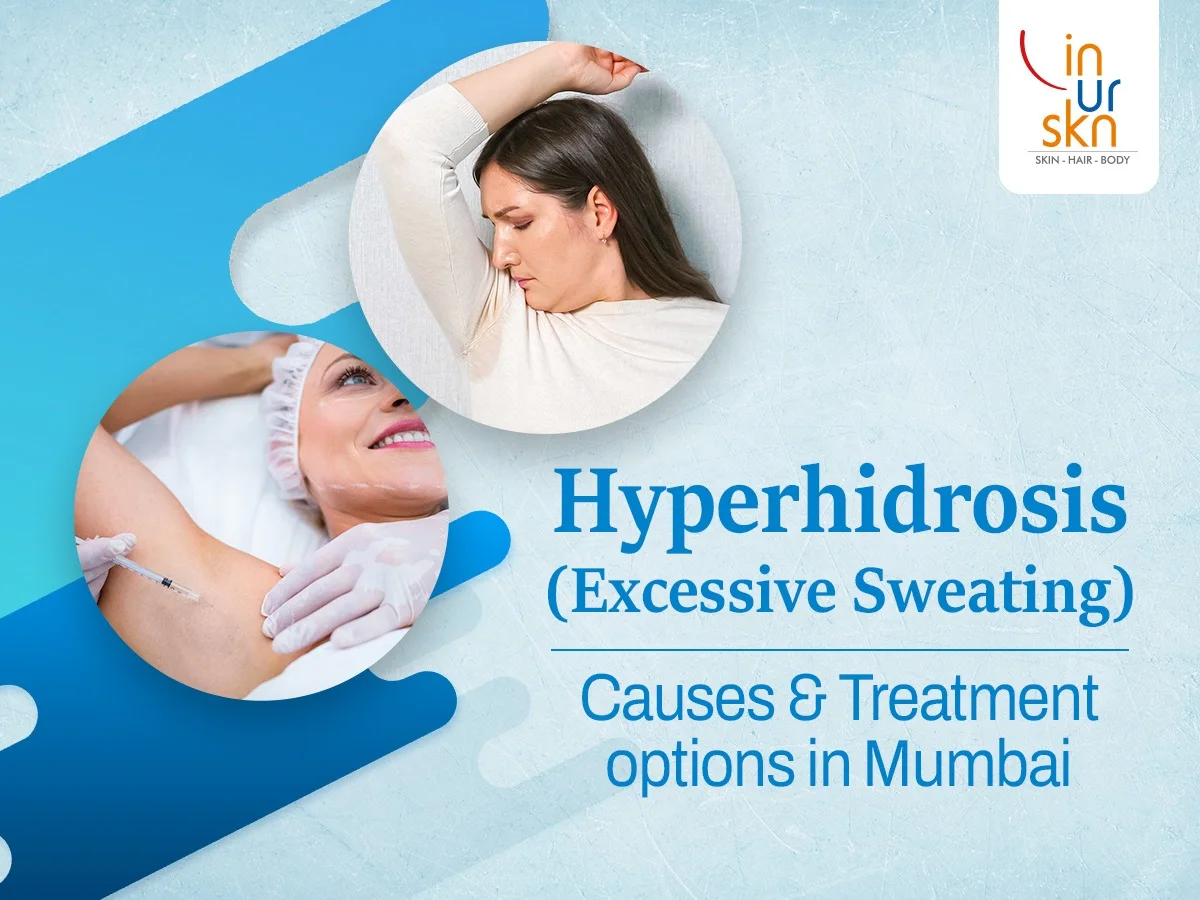
Mumbai’s climate makes everyone sweat, but there’s a difference between ordinary perspiration and sweating that soaks clothes, drips from the palms, or appears without a clear trigger. When sweat disrupts work or everyday tasks, it may point to hyperhidrosis — a condition where the body produces far more sweat than needed to stay cool. It can be limited to the palms, soles, underarms or face, or involve larger areas, and sometimes stems from an underlying medical issue.
Anyone researching hyperhidrosis treatment should first understand whether the sweating is primary or secondary, which areas are affected, and how much it disrupts daily life. Options range from antiperspirants and iontophoresis to botulinum toxin, oral medicines and, occasionally, surgery.
Source: American Academy of Dermatology – Hyperhidrosis: Diagnosis and Treatment
The Hyperhidrosis Awareness Index
| Hyperhidrosis Concern | What It May Indicate | Common Management Approach | Medical Priority |
|---|---|---|---|
| Sweaty palms | Focal hyperhidrosis | Antiperspirants, iontophoresis | Moderate |
| Sweaty feet | Plantar hyperhidrosis | Foot care, iontophoresis | Moderate |
| Excess underarm sweat | Axillary hyperhidrosis | Topicals, injections | Moderate |
| Whole-body sweating | Secondary cause | Medical evaluation | Higher |
| Sudden new sweating | Secondary cause | Clinical assessment | Higher |
Pattern and impact on daily life matter more than sweat volume alone.
Understanding Hyperhidrosis and Excessive Sweating
Sweating naturally rises with heat, exercise or stress. With hyperhidrosis, it becomes disproportionate — some people notice soaked clothing or dripping palms even while resting comfortably. The condition falls into two types: primary and secondary hyperhidrosis. Primary cases tend to run in families and affect specific areas, while secondary cases stem from a medical condition or medicine and can spread across larger areas. See InUrSkn’s excessive sweating concern page for more.
Primary Hyperhidrosis
Primary focal hyperhidrosis usually targets the palms, soles, underarms or face, linked to overactive nerve signalling rather than an identifiable illness.
Source: American Academy of Dermatology – Hyperhidrosis Causes
Secondary Hyperhidrosis
Secondary hyperhidrosis develops when excessive sweating ties to another factor — a medical condition or medication. It can be more widespread, sometimes occurring during sleep, and is linked to thyroid disorders, diabetes, infections, hormonal shifts and some neurological conditions.
Hyperhidrosis Symptoms: When Sweating Becomes Excessive
Recognising hyperhidrosis symptoms is the first step toward deciding whether an assessment is worthwhile. Common signs include:
- Noticeably heavy, dripping sweat on the palms or soles
- Underarm sweat that soaks through clothing
- Difficulty writing, typing or holding objects
- Skin irritation from prolonged moisture
- Embarrassment or avoidance of social situations
- Sweating with no clear temperature or activity trigger
Primary hyperhidrosis typically appears symmetrically, while secondary hyperhidrosis can be more widespread and less predictable.
Source: American Academy of Dermatology – Hyperhidrosis Signs and Symptoms
When Excessive Sweating Needs Medical Attention
Not every case of sudden sweating is primary hyperhidrosis. Seek assessment if sweating starts abruptly, occurs at night without explanation, disrupts daily life, or comes with other symptoms. Heavy sweating with chest pain or dizziness needs prompt medical care.
Source: Mayo Clinic – Hyperhidrosis Symptoms and Causes
Hyperhidrosis Causes: What Can Trigger Heavy Sweating?
Understanding hyperhidrosis causes helps separate primary focal sweating from secondary sweating. Primary cases link to overactive nerve signals and often run in families. Secondary sweating can stem from medicines, hormonal changes, thyroid disorders, diabetes, infections or neurological conditions.
This distinction matters: primary hyperhidrosis treatment focuses on controlling the sweating itself, while secondary hyperhidrosis needs the underlying cause investigated and managed.
Environmental and Lifestyle Triggers
Heat, exercise and emotional stress raise normal sweating and can worsen hyperhidrosis symptoms too. A simple log of when sweating occurs can help during a dermatology consultation.
Medication-Related Sweating
Certain medicines can contribute to excessive sweating, especially if symptoms began after starting or changing a prescription. The prescribing clinician can review whether an adjustment makes sense.
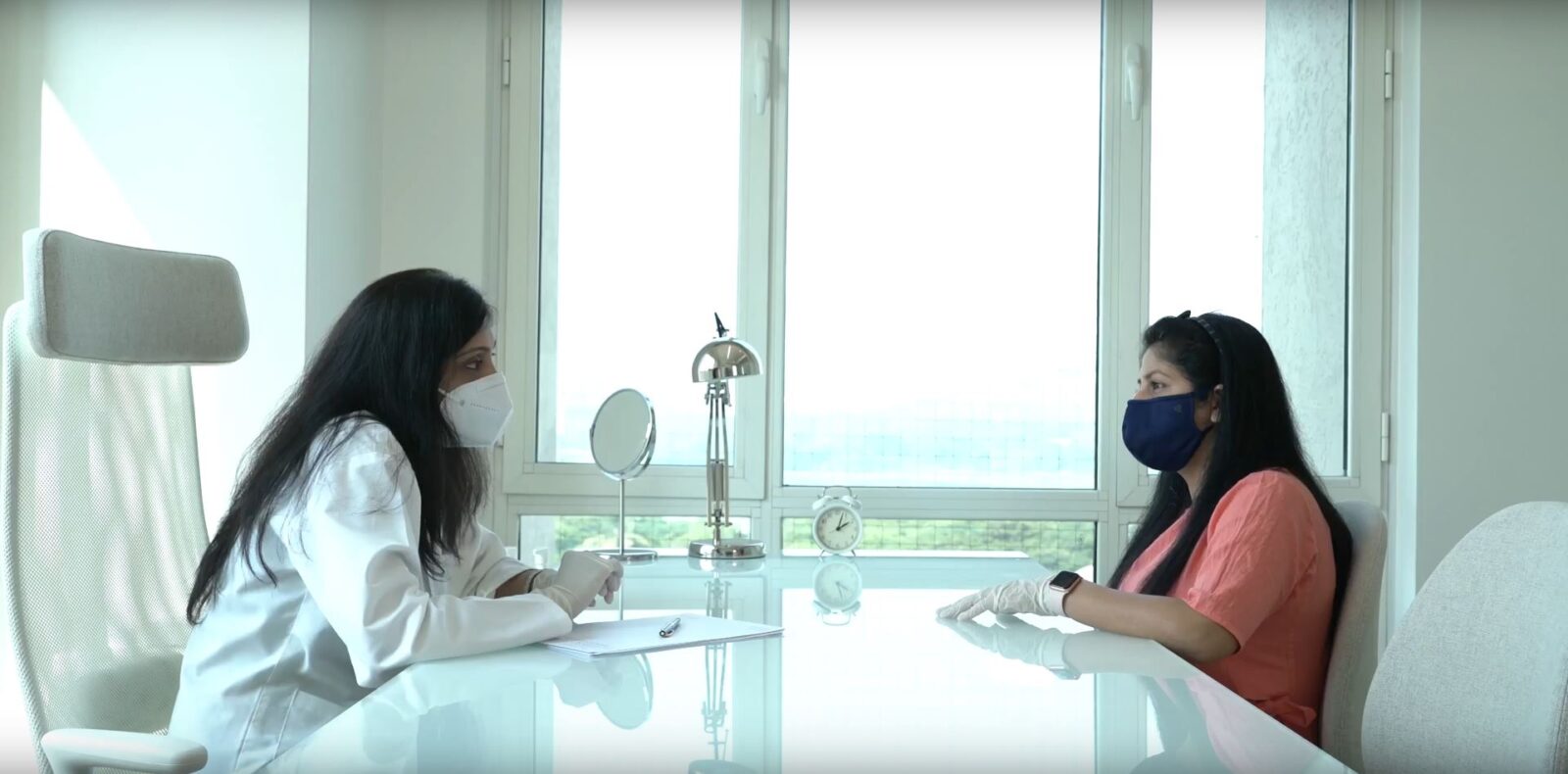
Step-by-Step Expert Hyperhidrosis Assessment at InUrSkn
- Medical History Review: Onset, affected areas, triggers, medicines and family history are reviewed.
- Pattern & Severity Assessment: Checks whether sweating is localised or widespread and how it affects daily life.
- Cause Evaluation: If a secondary cause is suspected, targeted investigation follows.
- Personalised Treatment Planning: Treatment is matched to type, area, severity and prior response.
Source: American Academy of Dermatology – Hyperhidrosis Diagnosis and Treatment
Hyperhidrosis Profile & Targeted Treatment Guide
| Hyperhidrosis Profile | Commonly Affected Area | Potential Treatment Options |
|---|---|---|
| Primary focal | Hands | Antiperspirants, iontophoresis, botulinum toxin |
| Primary focal | Feet | Antiperspirants, iontophoresis, botulinum toxin |
| Axillary | Underarms | Topicals, botulinum toxin, procedures |
| Facial | Face | Selected topical/systemic options |
| Secondary generalised | Multiple areas | Treat underlying cause ± sweat control |
No single treatment fits every patient — the right choice depends on area, severity and past response.
Source: International Hyperhidrosis Society – Clinical Guidelines
Hyperhidrosis Treatment for Hands and Feet
For those searching specifically for hyperhidrosis treatment for hands and feet, iontophoresis is commonly considered. The hands or feet rest in trays of water while a mild electrical current passes through — repeated more often initially, then less frequently for maintenance. Suitability is assessed individually. Read more about the iontophoresis procedure at InUrSkn.
Hyperhidrosis Treatment for Hands
Palmar sweating can disrupt writing, typing and holding objects. Depending on severity, treatment may involve prescription antiperspirants, iontophoresis or botulinum toxin injections, chosen by a dermatologist for the individual case.
Excessive Sweating in Hands and Feet Treatment
Alongside medical treatment, dry footwear and moisture-wicking socks help manage day-to-day discomfort — though these measures support, rather than replace, proper excessive sweating in hands and feet treatment.
Hyperhidrosis Treatment Options: From Topicals to Procedures
The goal of hyperhidrosis treatment is to reduce sweating enough to restore everyday comfort and confidence.
Prescription Antiperspirants
Treatment often starts with prescription-strength antiperspirants applied to completely dry skin, usually at night, to temporarily reduce sweat reaching the surface.
Iontophoresis
Iontophoresis is a non-surgical option commonly used for the hands and feet, performed with a suitable device under medical guidance.
Botulinum Toxin Injections
Botulinum toxin injections work by interrupting the nerve signals that trigger sweat glands. Improvement is usually seen within days to about two weeks, with duration varying by treated area.
Oral Medicines
Oral medicines can reduce sweating across the body and may be considered for widespread symptoms or when other treatments haven’t worked well enough. They carry potential side effects and need clinical monitoring.
Hyperhidrosis Operation: When Is Surgery Considered?
A hyperhidrosis operation is rarely the first option, reserved for cases where other treatments haven’t given adequate relief. One key risk is compensatory sweating, where other body areas sweat more after surgery — so any surgical route needs thorough discussion of benefits, risks and alternatives.
Source: American Academy of Dermatology – Hyperhidrosis Treatment
Sweat Gland Procedures
For select underarm cases, procedures that target or remove sweat glands may be used, with technique depending on the clinical situation.
Sympathectomy
Sympathectomy interrupts nerve pathways involved in sweating. It’s reserved for select cases due to the risk of significant side effects, including compensatory sweating.
Common Hyperhidrosis Triggers & Everyday Management
| Situation | Practical Measure |
|---|---|
| Sweaty feet | Moisture-wicking socks |
| Damp footwear | Rotate and dry shoes |
| Underarm sweating | Suitable antiperspirant |
| Hot weather | Breathable clothing |
| Trigger foods | Identify personal triggers |
| Workplace discomfort | Keep tissues handy |
Lifestyle changes help but shouldn’t be relied on alone when sweating significantly affects quality of life.
Source: Mayo Clinic – Hyperhidrosis Diagnosis and Treatment
Cost Analysis: Hyperhidrosis Treatment in Mumbai
Cost depends on the affected area, treatment type, number of sessions and clinical complexity.
| Treatment / Service | Published InUrSkn Information |
|---|---|
| In-clinic consultation | ₹1,400 |
| Online consultation | ₹1,200 |
| Advanced iontophoresis | Starts at ₹2,750 |
| Botulinum toxin | Individual assessment |
| Surgical treatment | Individual assessment |
Do You Know?
- More Than Appearance: It can disrupt work, routine activities and emotional wellbeing.
- May Run in Families: A family history is often associated with primary hyperhidrosis.
- Iontophoresis for Hands and Feet: An established treatment using a mild electrical current through water.
- Can Have an Underlying Cause: Certain conditions and medicines can trigger secondary sweating.
Source: Mayo Clinic – Excessive Sweating Causes
The Hyperhidrosis Management Timeline
- Days 1–7: Sweating pattern, history and daily impact are reviewed.
- Weeks 1–4: A suitable treatment begins based on type and affected areas.
- Weeks 4–12: Response is reviewed and adjusted if needed.
- Ongoing: Some treatments need periodic maintenance sessions.
Source: International Hyperhidrosis Society – Treatment Overview
Recommended Daily Excessive Sweating Management Protocol
- Keep Areas Dry: Dry palms, feet and other sweat-prone areas as needed
- Choose Breathable Clothing: Lightweight fabrics ease sweating
- Use Antiperspirants Correctly: Follow instructions for prescription products
- Care for Sweaty Feet: Change damp socks and let footwear dry fully
- Identify Triggers: Track heat, stress, caffeine or spicy foods
- Follow the Treatment Plan: Avoid increasing dosage or frequency without clinical advice
Why Choose InUrSkn?
At InUrSkn, hyperhidrosis is treated as a medical concern, not a cosmetic inconvenience, with options spanning antiperspirants to select surgical routes for both primary focal and secondary generalised patterns. Patients are personally assessed by Dr Sejal Saheta, MD, DNB – Dermatology & Venereology. Learn more about InUrSkn and its approach to safety and quality, described as holistic, personalised, humane and minimal.
Frequently Asked Questions (FAQ)
Q1. What is hyperhidrosis? Excessive sweating beyond what’s needed for normal temperature regulation.
Q2. What are the common hyperhidrosis symptoms? Unusually heavy sweating of the palms, feet, underarms, face or other areas.
Q3. What are the main hyperhidrosis causes? Primary cases involve overactive nerve signals; secondary cases link to medical conditions or medicines.
Q4. What is primary hyperhidrosis treatment? Antiperspirants, iontophoresis, botulinum toxin, medicines or select procedures.
Q5. Is hyperhidrosis treatment for hands and feet available? Yes — antiperspirants, iontophoresis and selected injectables are common options.
Q6. Is excessive sweating always hyperhidrosis? No. Heat, exercise, stress and some medical conditions can raise sweating too.
Q7. When is a hyperhidrosis operation considered? Only in select cases when other treatments haven’t given sufficient relief.
Q8. Can hyperhidrosis be cured? There’s no universal cure, but treatment can significantly control symptoms.
Q9. Can medicines cause excessive sweating? Yes, certain medicines can contribute to secondary hyperhidrosis.
Q10. Where can I seek hyperhidrosis treatment in Mumbai? InUrSkn offers dermatology care for hyperhidrosis in Powai, Mumbai — book a consultation or use the enquiry form.
Source: American Academy of Dermatology – Hyperhidrosis FAQs
Conclusion: Understanding Hyperhidrosis Is the First Step Towards Appropriate Treatment
Hyperhidrosis goes beyond ordinary sweating. When it affects the palms, feet, underarms, face or wider areas and interferes with daily life, professional assessment helps identify the pattern and guide the right management. The hyperhidrosis treatment chosen depends on the type and severity of sweating, the area involved and how a patient has responded to prior treatments. Anyone looking for hyperhidrosis treatment in Mumbai can turn to InUrSkn for dermatology-based assessment and a personalised treatment plan.




 Call us
 Book Appointment
 Enquire
 Location


