














As winter approaches, sharing warm blankets, wearing layered clothing, and spending more time indoors become part of everyday life. But have you noticed unexplained itching, small red bumps, or a rash that becomes particularly uncomfortable at night?
While dry skin is common during colder months, persistent itching may sometimes indicate a contagious skin condition called scabies.
Scabies can affect men and women of all ages, regardless of hygiene or lifestyle. It spreads primarily through prolonged skin-to-skin contact and sometimes through shared bedding or clothing.
At InUrSkn Skin Hair & Body Clinic, Mumbai, Dr. Sejal Saheta emphasises the importance of identifying the underlying cause of itching before starting treatment.
What Are Skin Parasites and Scabies?
Skin parasites are tiny organisms that live on or within the skin and may cause itching, irritation, or inflammation.
Common examples include:
- Scabies mites: Microscopic mites that burrow into the skin.
- Head lice: Parasites that live on the scalp and feed on blood.
- Body lice: Parasites that primarily live in clothing and move onto the skin to feed.
- Demodex mites: Naturally occurring skin mites that may contribute to certain skin conditions when present in excessive numbers.
Scabies is caused by the microscopic mite Sarcoptes scabiei var. hominis.
Female mites burrow beneath the skin’s surface and lay eggs. The body’s allergic reaction to the mites, their eggs, and waste causes intense itching, often worsening at night.
Unlike ordinary dry skin, scabies is contagious and requires specific medical treatment.
What Are the Early Signs of Scabies?
Scabies symptoms may appear several weeks after the first exposure, making early identification challenging.
Common signs include:
- Severe itching, particularly at night.
- Small red bumps or pimple-like rashes.
- Thin, irregular burrow tracks on the skin.
- Itching between fingers, around wrists, or near the waist.
- Rashes around the armpits, abdomen, or genital area.
- Scratch marks, redness, or secondary skin infections.
Because these symptoms can resemble eczema or allergic reactions, consulting a dermatologist in Mumbai can help determine the actual cause.
Why Does Scabies Spread Through Shared Blankets Before Winter?
Scabies does not develop because of cold weather itself. However, close physical contact and sharing recently used bedding can create opportunities for transmission.
- Sharing Blankets and Bedding: Scabies mites may occasionally transfer through infested blankets, bedsheets, or clothing, although prolonged skin contact remains the primary transmission route.
- Close Family Contact: Sleeping together or prolonged physical contact with an infected person increases the possibility of transmission.
- Shared Living Spaces: Hostels, care homes, and crowded households may experience outbreaks because of frequent close contact.
- Delayed Identification: Scabies symptoms may take weeks to develop, allowing an infected person to transmit mites before recognising the condition.
Scabies mites generally survive only two to three days away from human skin.
Are All Itchy Skin Conditions Caused by Scabies?
No. Several skin conditions can cause similar symptoms, including:
- Eczema: Causes dry, inflamed, itchy patches but is not contagious.
- Contact Dermatitis: Develops after exposure to irritating substances or allergens.
- Fungal Infections: May cause itchy, scaly patches, particularly in warm or moist areas.
- Urticaria (Hives): Produces raised, itchy welts that may appear suddenly.
- Insect Bites: Bedbugs, fleas, and other insects may cause itchy bumps without burrowing into the skin.
- Other Parasitic Infestations: Head lice and body lice can produce itching but require different treatments.
A skin specialist in Mumbai can help distinguish these conditions and recommend appropriate care.
How Is Scabies Diagnosed?
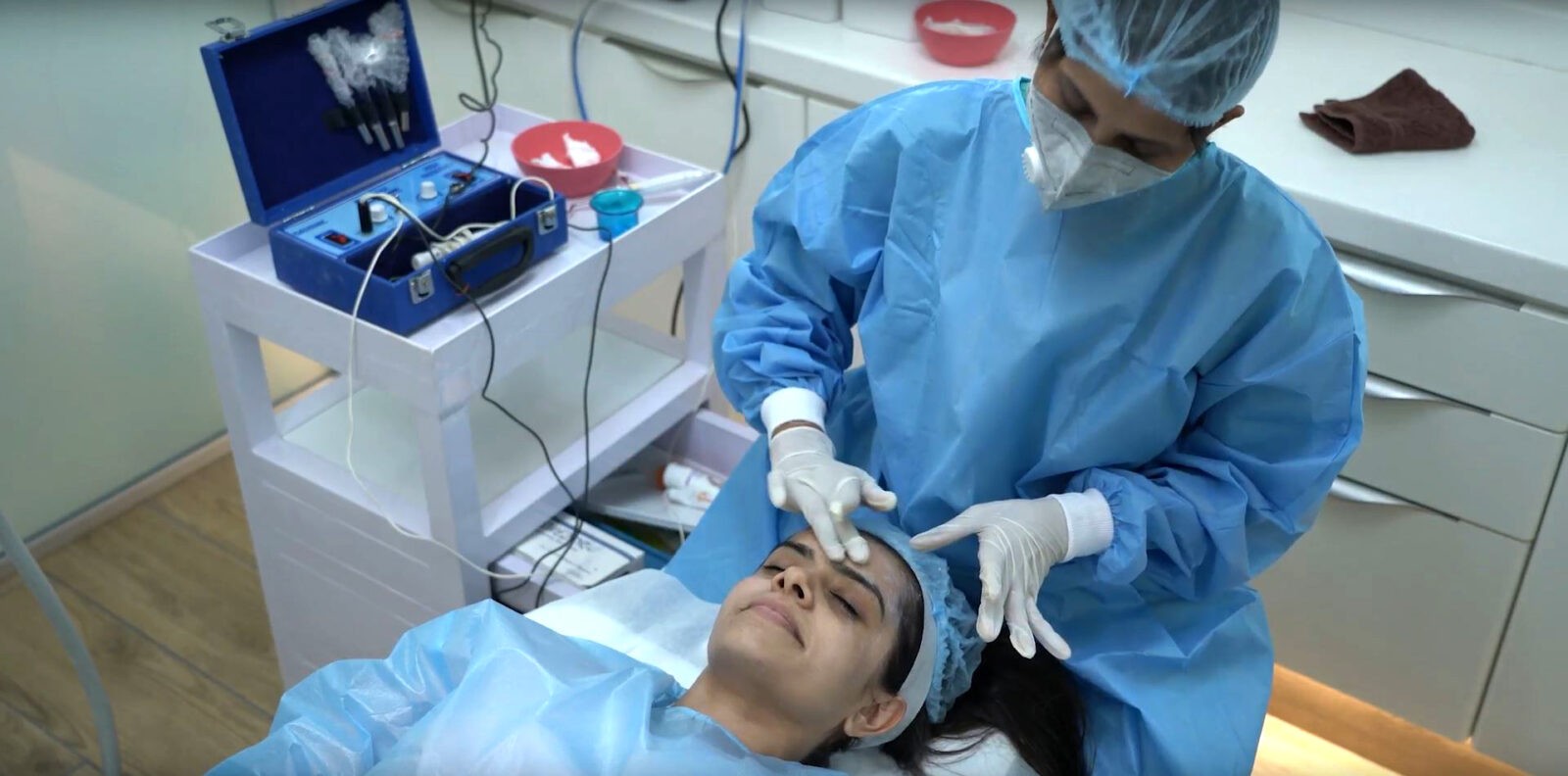
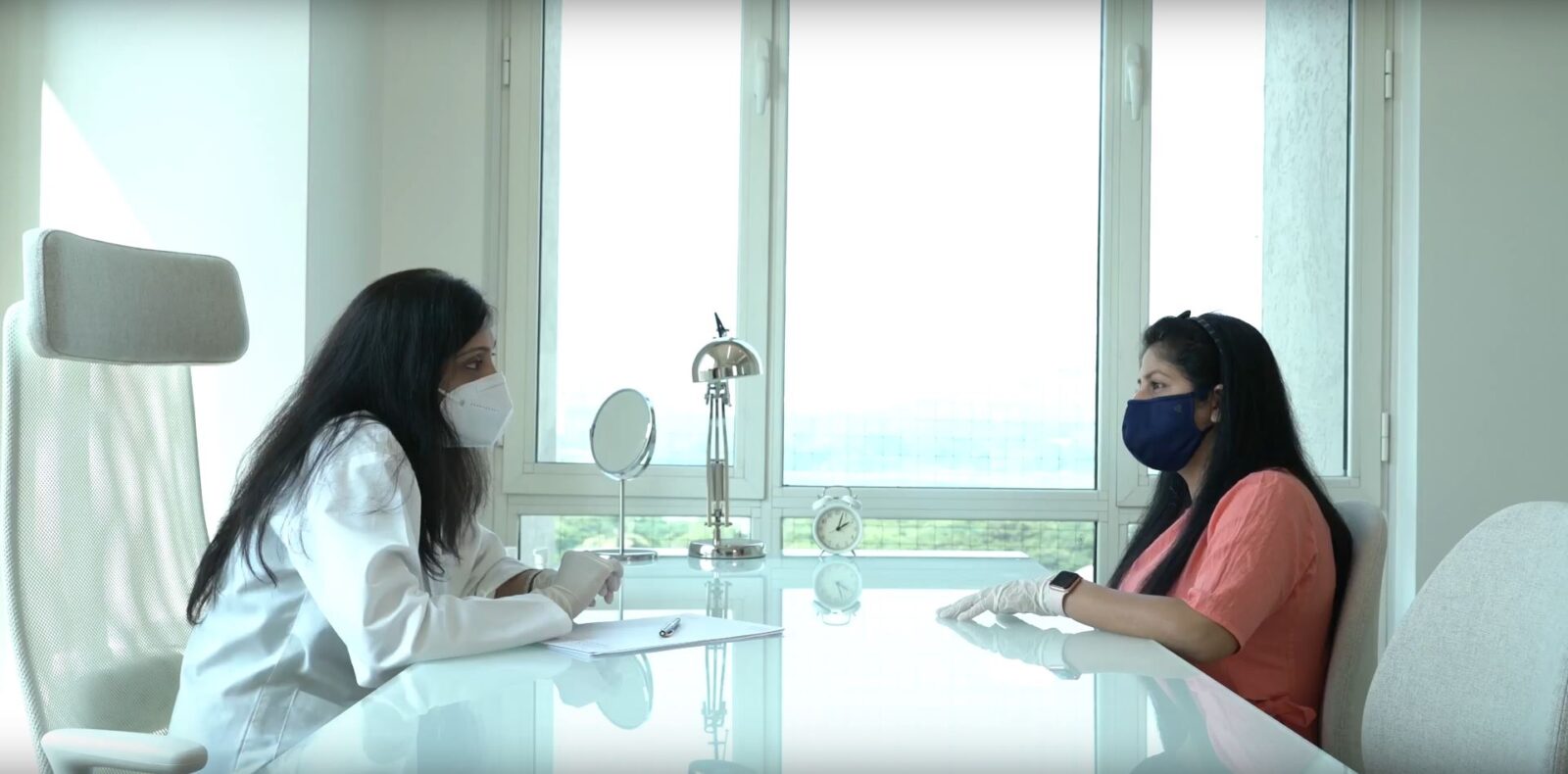
At a skin clinic in Powai, diagnosis generally begins with a detailed skin examination and discussion of symptoms.
Depending on the findings, assessment may include:
- Clinical examination: Identifying characteristic rashes and burrows.
- Dermatoscopy: Examining the skin closely for signs of mites.
- Skin scraping: Occasionally examining skin samples under a microscope.
- Contact history: Checking whether family members or close contacts have similar symptoms.
Diagnosis is often clinical, and a negative scraping does not necessarily exclude scabies.
What Are the Available Scabies Treatment Options?
Scabies is treatable with appropriate medications that eliminate the mites.
1. Topical Anti-Scabies Medication
Permethrin 5% cream is commonly prescribed to eliminate scabies mites. It must be applied to the recommended body areas and repeated when instructed.
2. Oral Medication
Oral ivermectin may be considered for selected patients, depending on their age, weight, medical history, and severity of infestation.
3. Treatment for Itching and Inflammation
Dermatologists may recommend moisturisers, suitable anti-inflammatory creams, or other medications to relieve discomfort after mite treatment.
4. Household and Bedding Management
Close contacts generally require treatment at the same time, even without symptoms.
Recently used clothes, towels, and bedding should be washed appropriately. Items that cannot be washed can be sealed in a plastic bag for several days.
What I tell my patients in the exam room
One common misconception about scabies is that it only affects people with poor hygiene.
Scabies is not a sign of being unclean. Anyone can develop this infestation through close contact with an infected person.
Another important concern is persistent itching after treatment.
Even after successful treatment, itching may continue for several weeks because the skin’s allergic response takes time to settle.
Persistent itching alone does not necessarily mean treatment has failed. However, new burrows, fresh rashes, or worsening symptoms require reassessment.
The priority is accurate diagnosis, proper treatment, and preventing reinfestation.
— Dr. Sejal Saheta, InUrSkn Skin Hair & Body Clinic
Scabies Treatment Cost in Mumbai: Understanding the Long-Term Value
Scabies treatment costs depend on consultation requirements, prescribed medications, severity, and whether additional treatment is necessary.
Uncomplicated cases may respond to relatively affordable medication, while crusted scabies or secondary bacterial infections can require more intensive care.
The real value of early assessment lies in preventing ongoing transmission, unnecessary self-medication, and repeated treatment.
The cost of waiting may include disturbed sleep, worsening inflammation, secondary infections, and transmission to family members.
At InUrSkn, the focus is on identifying the condition accurately and recommending appropriate treatment.
Benefits of Dermatologist-Guided Scabies Care
- Accurate diagnosis of scabies and similar skin conditions.
- Effective treatment aimed at eliminating mites.
- Relief from persistent itching and skin irritation.
- Reduced risk of spreading infestation to close contacts.
- Guidance on bedding hygiene and preventing reinfestation.
- Follow-up care for persistent symptoms or complications.
Frequently Asked Questions
- Can scabies spread through shared blankets?
Yes. Transmission through recently infested bedding is possible, although prolonged skin-to-skin contact is more common.
- Does cold weather cause scabies?
No. Scabies is caused by mites, not winter weather.
- Is scabies contagious?
Yes. It spreads mainly through close, prolonged physical contact.
- Can scabies disappear without treatment?
Scabies generally requires appropriate medication to eliminate the mites.
- Why does itching continue after treatment?
The allergic response may persist for several weeks, even after the mites have been eliminated.
- When should I visit a dermatologist?
Seek an assessment if itching worsens at night, characteristic rashes appear, or household members develop similar symptoms.



 Call us
 Book Appointment
 Enquire
 Location


