













As winter approaches, have you noticed your skin becoming unusually dry, rough, or itchy? Perhaps your arms and legs feel tight after a shower, or you find yourself scratching your skin more frequently, especially at night.
While occasional itching may seem harmless, persistent itching can indicate that your skin is losing moisture or reacting to an underlying condition.
At InUrSkn Skin Hair & Body Clinic, Mumbai, Dr. Sejal Saheta believes that understanding the cause of itching is essential for finding effective, long-lasting relief.
What Is Pruritus (Itchy Skin)?
Pruritus is the medical term for an uncomfortable sensation that makes you want to scratch your skin. It can affect a small area, such as your hands, legs, or scalp, or involve the entire body.
One of the most common causes is dry skin (xerosis), particularly during colder months.
Healthy skin contains natural oils that help retain moisture and maintain its protective barrier. When this barrier becomes weakened, moisture escapes more easily, leaving the skin dry, irritated, and itchy.
Common symptoms include:
- Persistent itching or irritation.
- Rough, flaky, or scaly skin.
- Redness and scratch marks.
- Tightness after bathing.
- Cracks that may occasionally bleed.
- Thickened skin caused by repeated scratching.
If itching continues despite moisturising, consulting a dermatologist in Mumbai can help identify the underlying cause.
Why Does Dry Air Make Your Skin Itch Before Winter?
As temperatures fall, humidity levels often decrease, reducing the moisture available to your skin.
Several everyday habits can make the problem worse.
- Cold, Dry Weather: Low humidity increases moisture loss from the skin, weakening its natural protective barrier.
- Hot Showers: Prolonged exposure to hot water can strip away natural oils and worsen dryness.
- Harsh Soaps and Cleansers: Strong fragrances and chemical irritants may trigger irritation, particularly in sensitive skin.
- Ageing Skin: Natural oil production often decreases with age, making older adults more vulnerable to dryness.
- Certain Medications: Some medicines can contribute to dryness or itching as a side effect.
Without appropriate care, repeated scratching can cause inflammation, painful cracks, and occasionally secondary bacterial infections.
Is Winter Itching Always Caused by Dry Skin?
Not necessarily. Although dryness is a common trigger, itching can sometimes indicate another medical condition.
Six conditions worth knowing about include:
- Eczema (Atopic Dermatitis): Causes itchy, inflamed, dry patches that may worsen with weather changes.
- Psoriasis: An inflammatory condition associated with thick, scaly patches and occasional itching.
- Fungal Infections: Can cause localised itching, redness, scaling, or ring-shaped rashes.
- Contact Dermatitis: Develops when the skin reacts to irritants or allergens found in soaps, fragrances, or other products.
- Urticaria (Hives): Produces raised, itchy welts that may appear suddenly and change location.
- Underlying Medical Conditions: Diabetes, thyroid disorders, and certain liver or kidney conditions can sometimes cause persistent or widespread itching.
Because each condition requires a different approach, a skin specialist in Mumbai can help distinguish ordinary dryness from symptoms requiring medical attention.
How Is Persistent Itchy Skin Diagnosed?
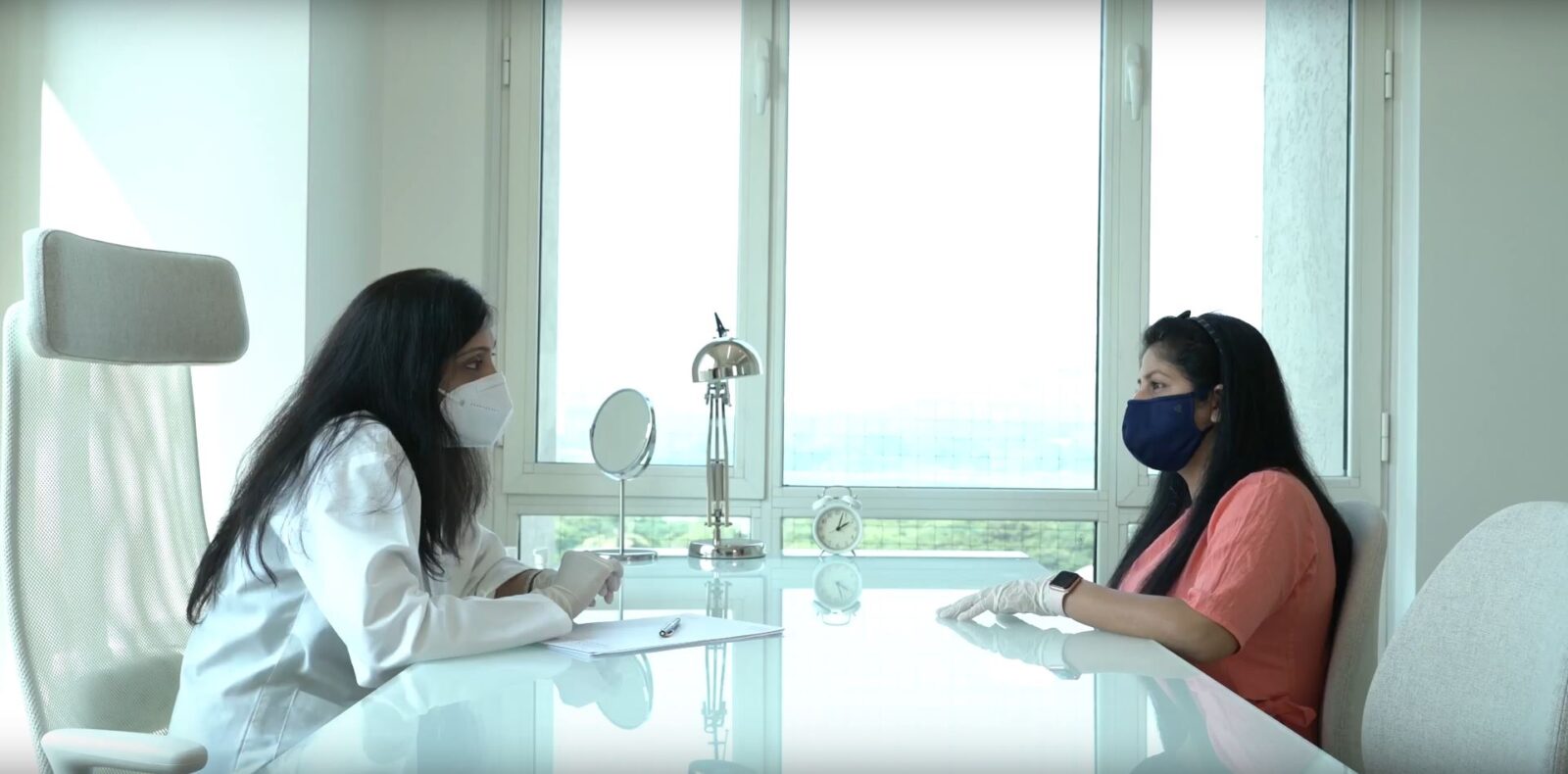
When you visit a skin clinic in Powai, your dermatologist will examine your skin and discuss when the itching began, its severity, and possible triggers.
Depending on your symptoms, the assessment may include:
- Skin examination: To identify dryness, inflammation, rashes, or infections.
- Medical history: To review allergies, medications, skincare habits, and existing conditions.
- Skin tests: Patch testing or fungal testing when clinically indicated.
- Blood tests: To investigate possible underlying medical causes of persistent generalised itching.
An accurate diagnosis helps ensure treatment targets the cause rather than temporarily masking the symptoms.
What Are the Available Treatments for Winter Itching?
Treatment depends on whether your itching is caused by simple dryness or an underlying skin condition.
1. Moisturisers and Skin Barrier Repair
Regular application of fragrance-free moisturisers containing ceramides, glycerin, or hyaluronic acid can help restore hydration and support the skin barrier.
Thicker creams or ointments are particularly useful for very dry hands, feet, and legs.
2. Medicated Creams and Topical Treatments
For inflammatory conditions such as eczema, dermatologists may prescribe suitable anti-inflammatory creams. Fungal infections require appropriate antifungal treatment.
3. Oral Medications
Antihistamines may help certain causes of itching, particularly hives. Other medications may be recommended depending on the diagnosis.
4. Personalised Skincare Routine
Using gentle cleansers, taking lukewarm showers, moisturising immediately after bathing, and avoiding irritating products can help prevent recurring dryness.
5. Dermatologist-Recommended Hydration Procedures
For suitable patients seeking additional skin hydration or cosmetic improvement, procedures such as Hydrafacial or customised medical facials may be considered after assessment.
However, these procedures do not replace medical treatment for eczema, infections, or other causes of pruritus.
The most appropriate treatment is determined by your symptoms and skin condition.
Candidate Checklist: Who Should Consider Treatment for Itchy Skin?
You may benefit from a dermatological assessment if:
- Your itching persists despite regular moisturising.
- Dryness is causing cracks, discomfort, or disturbed sleep.
- You experience recurring redness, scaling, or inflammation.
- Your skin becomes unusually sensitive during seasonal changes.
- You have widespread itching without an obvious explanation.
Certain treatments may not be suitable if:
- You have an active infection requiring specific medical treatment.
- You have known allergies to ingredients in proposed skincare products.
- You are considering cosmetic hydration procedures for an untreated skin disorder.
- You expect immediate or permanent relief without addressing the underlying cause.
A consultation with a skin doctor in Mumbai helps determine which approach is appropriate for your skin.
What I tell my patients in the exam room
“Many patients believe that itching before winter is normal and that applying any moisturiser will solve the problem.
While dry skin is common during seasonal changes, persistent itching should not always be dismissed.
Scratching may provide temporary relief, but repeated scratching can weaken the skin barrier further and increase inflammation.
I encourage my patients to understand their skin type, use appropriate moisturisers, and seek medical advice when itching persists or interferes with daily life.
The goal is not simply to stop the itching temporarily, but to identify its cause and maintain healthier skin.”
— Dr. Sejal Saheta, InUrSkn Skin Hair & Body Clinic
Itchy Skin Treatment Cost in Mumbai: Understanding the Long-Term Value
The cost of itchy skin treatment in Mumbai depends on the underlying cause, severity, medications required, and whether additional investigations are necessary.
Mild seasonal dryness may improve with an affordable, consistent moisturising routine. Conditions such as eczema, psoriasis, or persistent generalised itching may require medical treatment and follow-up appointments.
Rather than repeatedly purchasing products that offer temporary relief, an accurate diagnosis can help avoid unnecessary treatments.
The cost of waiting may include worsening irritation, sleep disturbances, painful cracks, or secondary infections caused by repeated scratching.
Not every episode of itching requires specialist treatment. However, persistent or unexplained symptoms deserve timely evaluation.
At InUrSkn, treatment recommendations focus on your individual needs rather than unnecessary procedures.
Benefits of Dermatologist-Guided Itchy Skin Care
- Identification of the underlying cause of itching.
- Personalised treatment based on your skin condition.
- Relief from dryness, irritation, and inflammation.
- Improved skin hydration and barrier protection.
- Reduced risk of complications from repeated scratching.
- Guidance on maintaining healthy skin throughout winter.
Frequently Asked Questions
- Why does my skin itch more before winter?
Lower humidity, colder weather, and increased moisture loss can make your skin dry and itchy.
- Can dry skin cause itching without a rash?
Yes. Dry skin can cause significant itching even when no visible rash is present.
- Which moisturiser is best for winter itching?
Fragrance-free creams containing ceramides, glycerin, or other moisturising ingredients are often helpful. The ideal product depends on your skin type.
- Can hot showers worsen itchy skin?
Yes. Hot water can remove natural oils and increase skin dryness.
- Is persistent itching a sign of a serious disease?
Not always. However, prolonged or widespread itching can occasionally indicate an underlying medical condition.
- When should I visit a dermatologist?
Seek medical advice if itching persists, affects sleep, spreads, or is accompanied by bleeding, infection, or other concerning symptoms.
Take the First Step Towards Comfortable, Healthy Skin
Winter dryness should not leave you constantly scratching or feeling uncomfortable.
With the right diagnosis, personalised treatment, and skincare routine, many causes of itchy skin can be effectively managed.
If you are tired of persistent itching, flaky skin, and temporary relief from moisturisers, the next step is a 1-on-1 assessment with Dr. Sejal Saheta to see if dermatologist-guided pruritus treatment is your best path forward.
Book your consultation at InUrSkn Skin Hair & Body Clinic, Powai, Mumbai, for personalised care from an experienced dermatologist in Powai.




 Call us
 Book Appointment
 Enquire
 Location


