












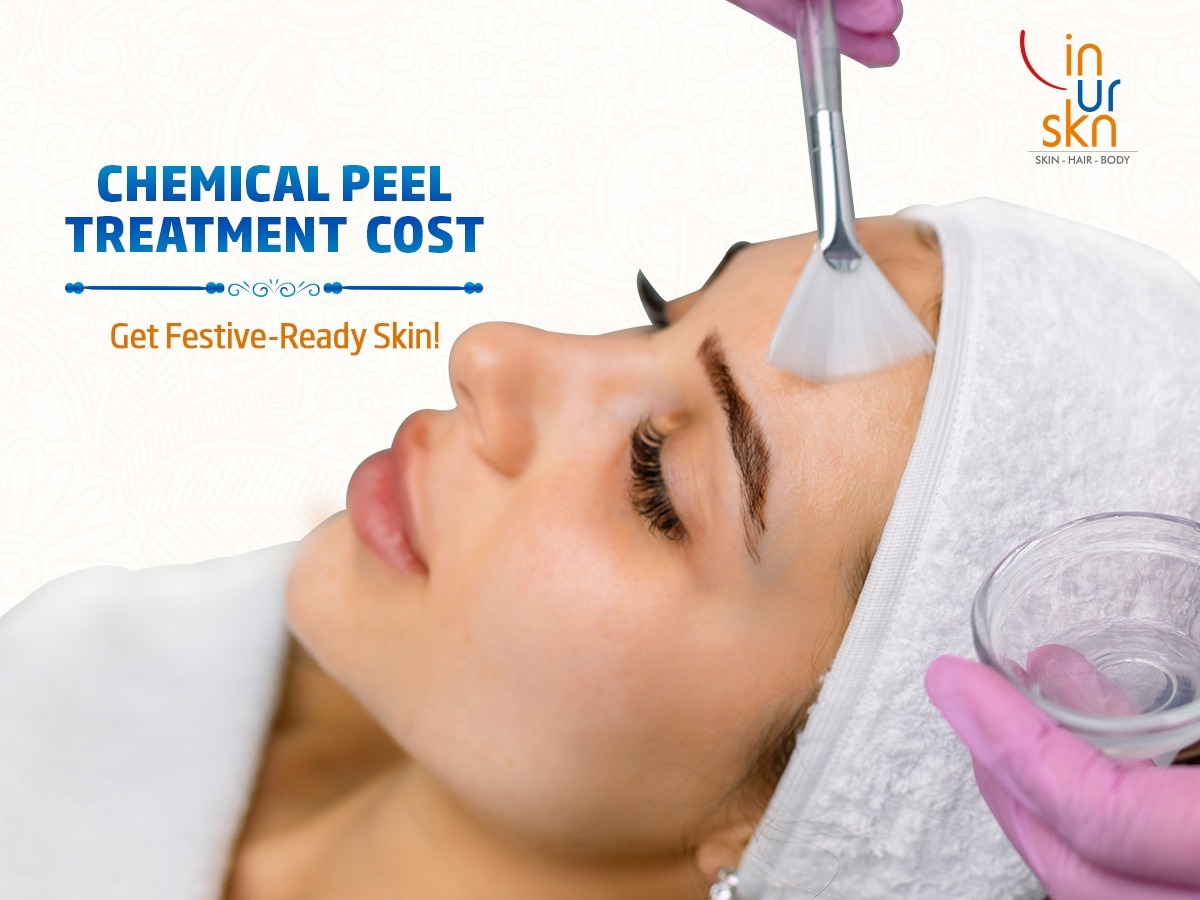
Diwali brings celebrations, family gatherings, and plenty of opportunities for photographs. Naturally, many people want their skin to look refreshed, even-toned, and radiant. However, concerns such as pigmentation, acne marks, uneven texture, and dullness can affect the appearance of the complexion.
A professional chemical peel may help address some of these concerns by exfoliating selected layers of the skin and encouraging skin renewal. Before considering the procedure, it is important to understand the chemical peel treatment cost, the type of peel suitable for your skin, and the recovery time involved.
At InUrSkn, making informed skincare decisions is an important part of achieving realistic treatment goals. Here is what you should know about chemical peels, their benefits, pricing factors, and aftercare before planning your festive skincare routine.
What Skin Concerns Can Chemical Peels Address?
A chemical peel is a dermatological procedure that uses a specially formulated chemical solution to exfoliate selected layers of the skin. Depending on its formulation and depth, it may help improve concerns such as dullness, uneven skin texture, certain types of pigmentation, acne, and fine lines.
The suitability of a peel depends on your skin type, existing concerns, and individual treatment requirements.
| Skin Concern | How Chemical Peels May Help | Treatment Consideration |
| Dull Skin | May improve surface brightness by exfoliating dead skin cells. | Peel selection depends on skin condition. |
| Uneven Skin Texture | May improve superficial roughness and irregularities. | Results vary depending on peel depth. |
| Pigmentation | May improve selected types of pigmentation. | Correct diagnosis is essential. |
| Acne Marks | May improve certain superficial post-acne marks. | Deep acne scars may need alternative treatments. |
| Fine Lines | May soften the appearance of some fine lines. | Treatment depth influences recovery. |
How Do Chemical Peels Improve Your Skin?
In a chemical peel, a dermatologist applies a carefully measured solution to the skin’s surface to loosen and lift away damaged outer cells. This encourages damaged surface cells to shed, allowing newer skin to become visible as the skin heals.
Depending on the formulation, chemical peels may help improve sun damage, uneven pigmentation, selected acne concerns and fine lines.
However, the procedure should not be considered an instant glow treatment. Temporary redness, dryness, sensitivity and peeling may occur during recovery. Results also vary between individuals.
Source: American Academy of Dermatology – Chemical Peels
Chemical Peel Depths Explained: Superficial, Medium and Deep
Peels fall into three categories based on how far the solution reaches into the skin. Understanding these differences helps explain why treatment recommendations, benefits, and recovery periods vary.
| Type of Chemical Peel | Skin Layer Targeted | Common Treatment Considerations | Recovery |
| Superficial Peel | Outermost skin layer | Mild dullness, uneven texture and selected pigmentation | Generally shorter |
| Medium-Depth Peel | Deeper skin layers | Selected pigmentation, sun damage and fine lines | Longer recovery |
| Deep Peel | Deeper layers of skin | Specific concerns requiring specialist assessment | More significant recovery |
Superficial Chemical Peels
Superficial peels are the gentlest category, acting only on the uppermost layer of the skin. They may be considered for mild dullness, uneven texture, and selected pigmentation concerns. Recovery is generally shorter than with deeper peels, although temporary redness and flaking may occur.
Medium-Depth Chemical Peels
Medium-depth peels reach deeper skin layers and may be recommended for selected pigmentation concerns, sun damage, and fine lines. They generally involve more noticeable peeling and a longer recovery period.
Deep Chemical Peels
Deep peels penetrate further into the skin and involve more significant recovery requirements and potential risks. They are not suitable for everyone and require specialist assessment.
A deeper peel is not automatically a better choice. Treatment depth should be based on clinical suitability rather than the desire for faster results.
What Happens During a Chemical Peel Consultation?
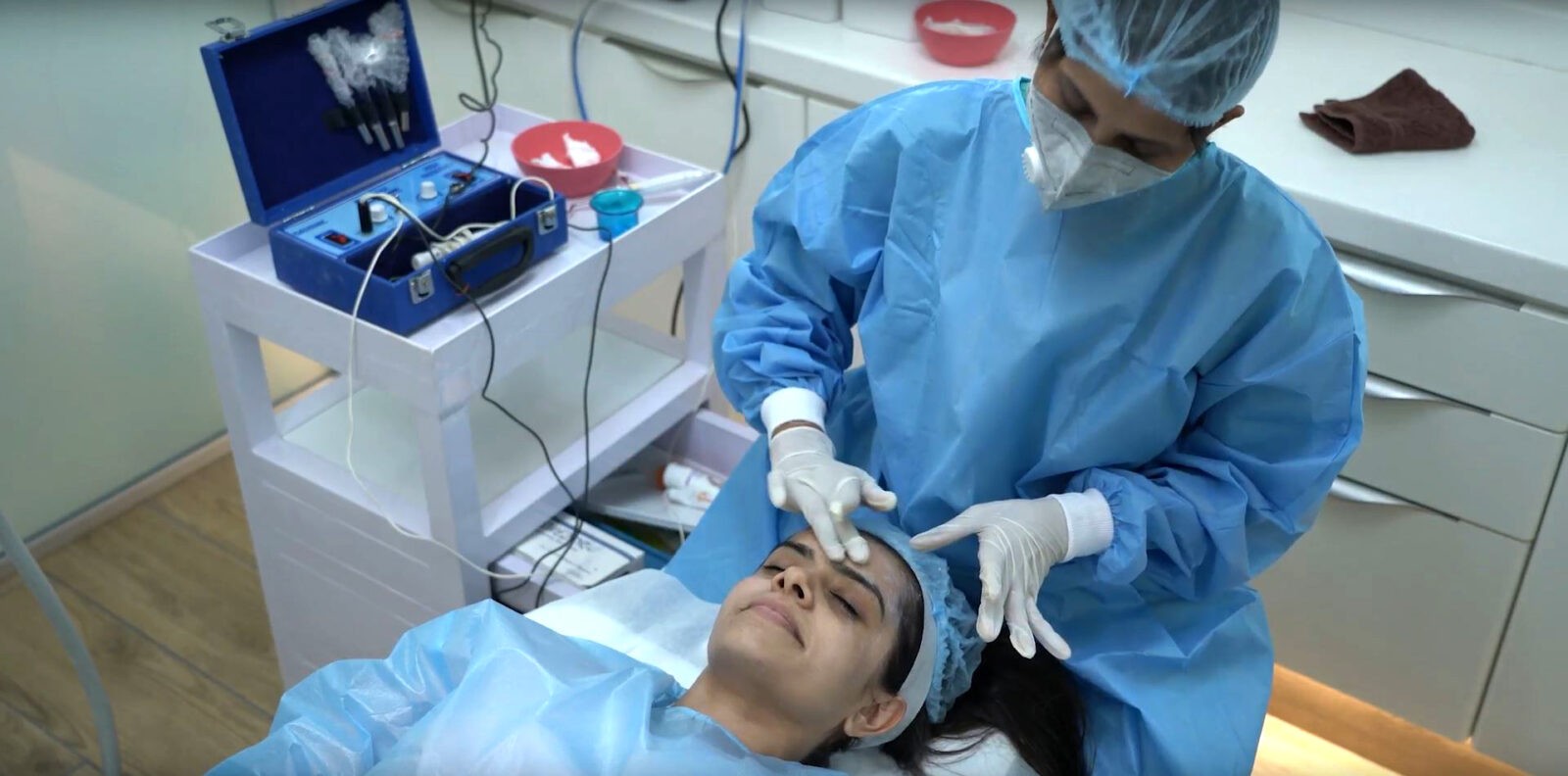
Before recommending a chemical peel, a dermatologist needs to understand your skin concerns, medical history, and treatment expectations.
A consultation may involve:
- Skin History: Discussing pigmentation, acne, sensitivity, previous procedures, medications, and skincare habits.
- Clinical Assessment: Evaluating skin type, texture, pigmentation and possible contraindications.
- Treatment Recommendation: Understanding the appropriate peel depth, expected benefits, recovery requirements, and possible side effects.
- Preparation and Aftercare: Reviewing pre-treatment instructions, follow-up requirements, and the estimated overall treatment expense.
The assessment helps determine whether chemical peeling is appropriate and which treatment approach may suit your skin.
Which Skin Concerns Can Chemical Peels Improve?
Different skin concerns may respond differently to chemical exfoliation. The recommended approach should consider the underlying cause and severity of the condition.
Dullness and Uneven Skin Texture
Dead skin cell accumulation and surface irregularities can make the complexion appear tired. If your skin looks tired or uneven, a well-matched superficial peel may help smooth the surface and restore some brightness.
Pigmentation and Dark Spots
Melasma, sun spots and post-inflammatory pigmentation are different conditions and may require different treatment approaches. An unsuitable peel can aggravate discolouration, particularly in individuals prone to post-inflammatory pigmentation.
A dermatologist should examine your skin before any peel is chosen.
Acne and Post-Acne Marks
Certain chemical peels may help manage selected acne concerns and superficial post-acne marks. However, deeper acne scars may require alternative or combined dermatological treatments.
Chemical Peel Recovery: Safety and Aftercare
Understanding the recovery process is just as important as knowing the potential benefits, particularly when planning a procedure before Diwali.
Temporary redness, dryness, sensitivity, and skin peeling can occur after treatment. The intensity and duration depend on the formulation, treatment depth, and individual skin response.
People with darker skin tones may have a greater risk of post-inflammatory pigmentation following an unsuitable treatment. Appropriate peel selection and professional supervision are therefore essential.
After treatment, follow your dermatologist’s instructions regarding gentle cleansing, moisturising and sun protection. Avoid picking or pulling peeling skin, as this can interfere with healing.
Source: Indian Journal of Dermatology – Standard Guidelines of Care for Chemical Peels
Chemical Peels vs Other Skin Treatments
Chemical peels are often compared with other facial treatments, but each procedure works differently.
A HydraFacial is a device-assisted facial that cleanses the skin, gently exfoliates it and infuses hydrating serums in a single session. Microdermabrasion uses mechanical exfoliation to remove surface skin cells, whereas chemical peels use chemical solutions to exfoliate controlled layers of the skin.
Laser treatments use specific light-based technology to target selected concerns such as pigmentation and skin texture.
Although these procedures may share certain treatment goals, they are not interchangeable. The right option depends on your skin condition, desired outcome, and recovery requirements.
Chemical Peel Treatment Cost: What Determines the Price?
One of the most common considerations before booking a procedure is the chemical peel treatment cost. However, there is no universal price because the overall expense depends on the recommended treatment plan.
The main factors influencing the skin peel treatment cost include:
- Type of Peel: Different formulations and peel depths involve different treatment requirements.
- Treatment Area: Treating the face alone may differ in cost from treating additional areas.
- Practitioner Expertise: Professional assessment and supervision are essential parts of responsible treatment.
- Number of Sessions: Certain skin concerns may require multiple sessions rather than a single treatment.
- Consultation and Aftercare: Initial assessments, follow-up appointments and recommended skincare may contribute to the overall expense.
When comparing chemical peel cost, ask for a clear breakdown of consultation charges, individual sessions and follow-up requirements. Avoid selecting a procedure solely because it is advertised at a lower price.
You can also explore our guide to skin peel treatment in Mumbai to understand the procedure, benefits and safety considerations.
When Should You Schedule a Chemical Peel Before Diwali?
Timing plays an important role when planning a chemical peel around a festive occasion. Your skin needs sufficient time to recover, and the duration depends on the type of procedure.
- 4–6 Weeks Before Diwali: Schedule a consultation to discuss your skin concerns, medical history and treatment suitability.
- 2–4 Weeks Before Diwali: If recommended by your dermatologist, follow the planned treatment and preparation schedule.
- 7–14 Days Before Diwali: Prioritise gentle skincare, moisturising and sun protection. Avoid experimenting with new exfoliating products.
- During Diwali: Maintain your recommended skincare routine and protect your skin from excessive sun exposure.
These timelines are indicative rather than guaranteed recovery periods. Avoid scheduling an unfamiliar or stronger peel immediately before an important celebration. Your dermatologist should determine the appropriate timing.
Essential Skincare Tips After a Chemical Peel
Following the right aftercare routine helps support the skin’s recovery and minimise unnecessary irritation.
- Gentle Cleansing: Use a mild cleanser and avoid scrubbing the treated area.
- Moisturising: Apply the recommended moisturiser to manage dryness and support recovery.
- Daily Sun Protection: Use broad-spectrum sunscreen as advised by your dermatologist.
- Avoid Picking: Allow peeling skin to shed naturally instead of pulling or scratching loose flakes.
- Pause Strong Actives: Restart retinoids and exfoliating acids only when your practitioner confirms that your skin has recovered.
- Follow-Up Care: Seek professional advice if you experience severe burning, blistering, increasing swelling or unexpected skin changes.
Frequently Asked Questions About Chemical Peel Treatment
- What is the chemical peel treatment cost before Diwali?
The chemical peel treatment cost depends on the formulation, peel depth, treatment area, practitioner and number of sessions recommended.
- Which chemical peel is suitable for beginners?
Superficial peels may be considered for beginners, depending on their skin type and concerns. A professional assessment is necessary before choosing a treatment.
- How early should I get a chemical peel before Diwali?
It is advisable to plan several weeks in advance. The actual recovery period depends on the peel depth and individual skin response.
- Can chemical peels improve pigmentation?
Selected chemical peels may help improve certain types of pigmentation. Treatment must be chosen according to the underlying cause and skin type.
- How many chemical peel sessions are required?
The number of sessions varies according to the skin concern, formulation, treatment depth and individual response.
- Are chemical peels suitable for darker skin tones?
Selected chemical peels may be suitable for darker skin tones. Appropriate treatment selection and professional supervision help reduce pigmentation-related complications.
- Does chemical peeling cause redness?
Temporary redness, dryness, sensitivity and flaking may occur after a chemical peel. The extent depends on the treatment performed.
- Can I apply makeup after a chemical peel?
Makeup should be avoided until your practitioner confirms that the skin has healed sufficiently.
- What affects skin peel treatment cost?
The peel formulation, treatment area, number of sessions, practitioner expertise and follow-up requirements can influence the overall skin peel treatment cost.
- Can I use retinol after a chemical peel?
Retinol should only be restarted when your dermatologist confirms that your skin has recovered sufficiently.
Plan Your Chemical Peel Treatment with the Right Guidance
Preparing your skin for Diwali involves more than understanding the chemical peel treatment cost. Treatment suitability, peel depth, recovery time and professional expertise are equally important when making a decision.
Instead of opting for a last-minute procedure, begin with a proper skin assessment and understand what your skin actually needs. A personalised treatment approach, realistic expectations and consistent aftercare can help support healthier-looking skin.
At InUrSkn Skin, Hair & Body Clinic, understanding individual skin concerns is an important step towards recommending appropriate dermatological treatments. Speak to a qualified professional to explore whether a chemical peel is suitable for your skin.
About InUrSkn
InUrSkn Skin, Hair & Body Clinic shares educational information about dermatology, skincare and aesthetic treatments. Its content helps readers understand different skin concerns, available treatment options, preparation and aftercare. Individual suitability and results may vary, and professional assessment is recommended before undergoing any procedure.




 Call us
 Book Appointment
 Enquire
 Location


