












Introduction
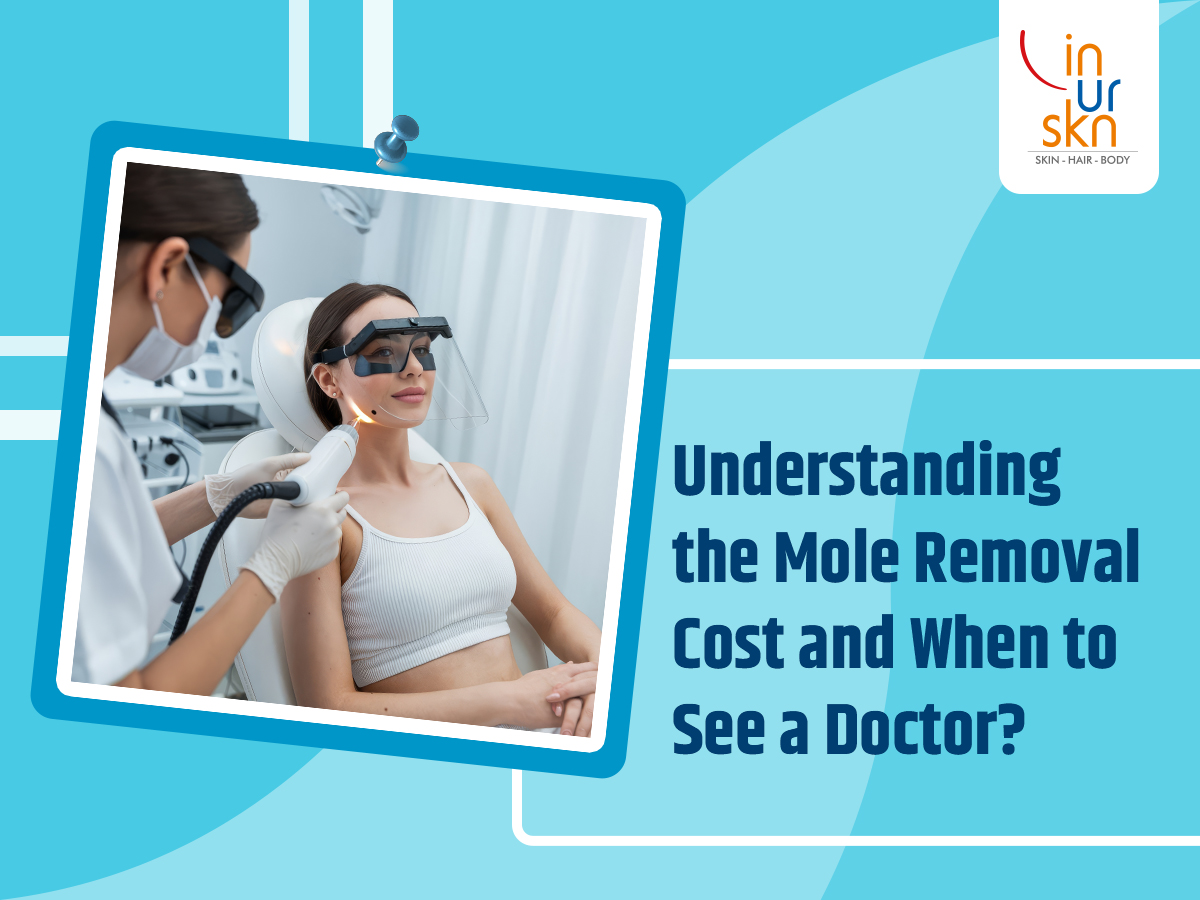
Have you ever noticed a mole on your face, neck, back, or body and wondered, “Is this normal, or should I get it checked?”
For many people, moles are harmless. Some have been present since childhood, while others appear later due to genetics, sun exposure or natural skin changes. But when a mole starts changing, growing, bleeding, itching, or looking different from the others, it can become a genuine concern.
Many patients also visit a skin clinic in Mumbai for cosmetic mole removal, especially when the mole is on the face, neck, or visible areas. The most common questions are:
“How much does mole removal cost?”
“Will it leave a scar?”
“Is laser mole removal safe?”
“When should I see a dermatologist?”
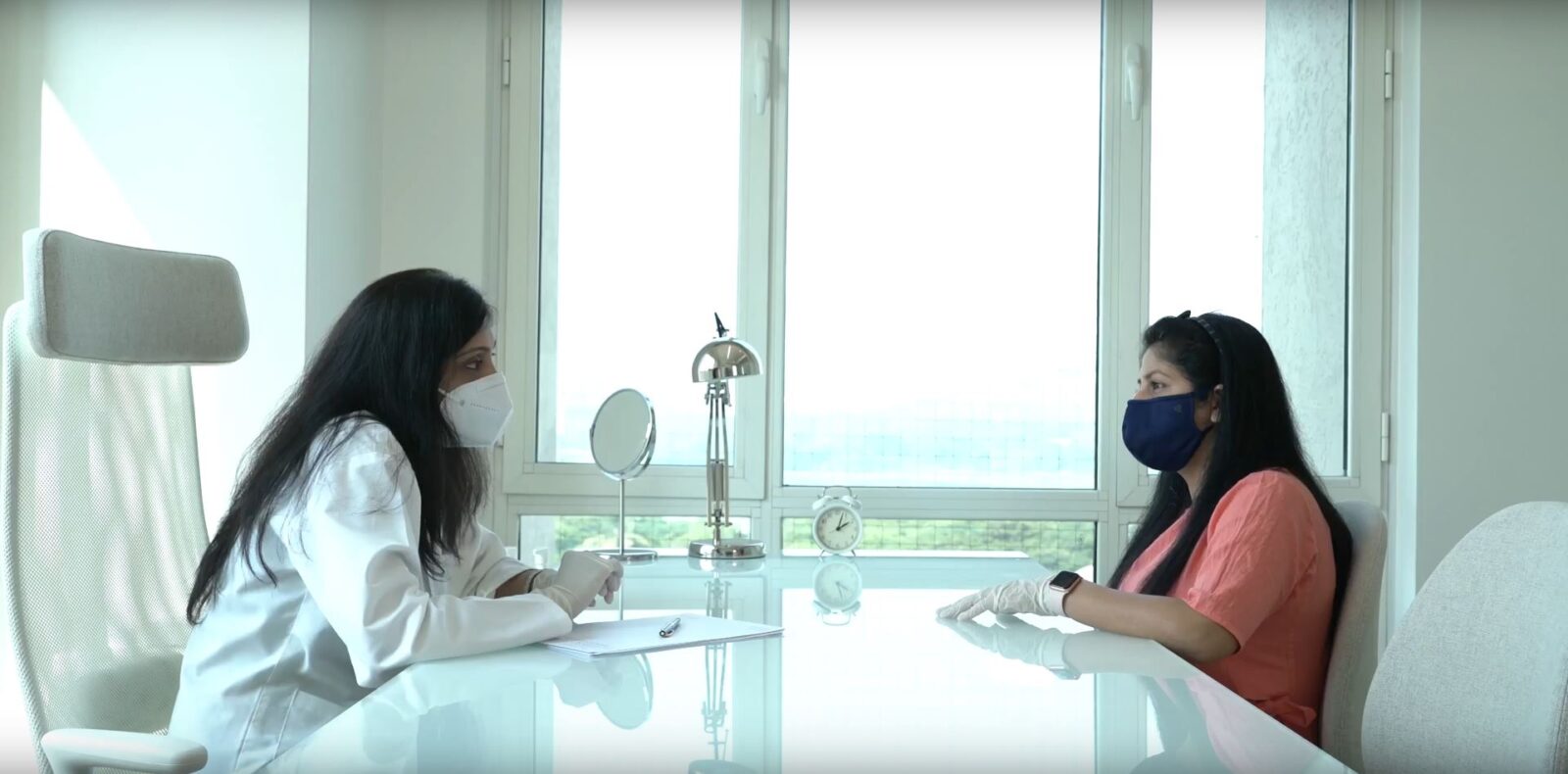
At InUrSkn Skin Hair & Body Clinic, Dr. Sejal Saheta focuses on helping patients understand whether a mole is purely cosmetic, or needs medical attention, before choosing the right treatment.
What Are Moles?
Moles are common skin growths that usually appear as brown, black, skin-coloured, or slightly raised spots. They form when pigment-producing cells, called melanocytes, grow in clusters.
Most moles are harmless, but some may need medical evaluation if they change over time.
Why Do Moles Develop?
Moles may develop due to:
- Genetics
- Sun exposure
- Hormonal changes
- Natural skin ageing
- Pigment cell clustering
- Previous skin changes or irritation
Mumbai’s humid climate and frequent sun exposure can make people more aware of visible skin concerns, especially facial moles, pigmentation, and other skin marks.
When Should You See a Doctor for a Mole?
Not every mole needs urgent treatment. However, some signs should never be ignored.
Is My Mole Dangerous?
A mole is not automatically dangerous just because it is dark or raised. But if it is changing, symptomatic, or looks different from your other moles, it should be examined.
Dermatologists often use the ABCDE rule to assess suspicious moles. The American Academy of Dermatology advises seeing a dermatologist if a mole or new spot shows ABCDE signs.
What Is the ABCDE Rule?
| Letter | Warning Sign | What It Means |
| A | Asymmetry | One half of the mole does not match the other |
| B | Border | Edges are irregular, blurred, or uneven |
| C | Color | Multiple colours or uneven pigmentation |
| D | Diameter | Larger than usual or increasing in size |
| E | Evolving | Changing in size, shape, colour, texture, or symptoms |
What Changes Should I Watch For?
Visit a dermatologist for mole removal or mole evaluation if you notice:
- Rapid increase in size
- Change in colour
- Irregular borders
- Bleeding
- Itching
- Pain or tenderness
- Crusting
- Sudden elevation
- A mole that looks different from others
- A new mole appearing in adulthood
Can Skin Cancer Start as a Mole?
Some skin cancers, including melanoma, can appear as a changing mole or a new unusual spot. This does not mean every mole is cancerous. But a proper suspicious mole check is important if there are visible changes.
Dr. Sejal Saheta’s Perspective
“Many patients come in because they are worried about how a mole looks cosmetically. During consultation, our first step is always to assess whether the mole appears clinically safe for cosmetic removal or whether it needs further evaluation. Safety comes before aesthetics.”
Mole Removal Cost in Mumbai
The mole removal cost in Mumbai can vary depending on the type of mole, treatment method, location, and whether any medical testing is needed.
In general, mole removal may start from a basic procedure cost and increase depending on complexity. For an accurate estimate, a dermatologist needs to examine the mole in person.
Approximate Mole Removal Cost Factors
The cost can depend on:
- Size of the mole
- Depth of the mole
- Location on the face or body
- Whether it is flat or raised
- Number of moles being removed
- Technique used
- Need for stitches
- Need for biopsy or histopathology
- Dermatologist’s expertise
- Clinic safety standards
Why Mole Location Matters
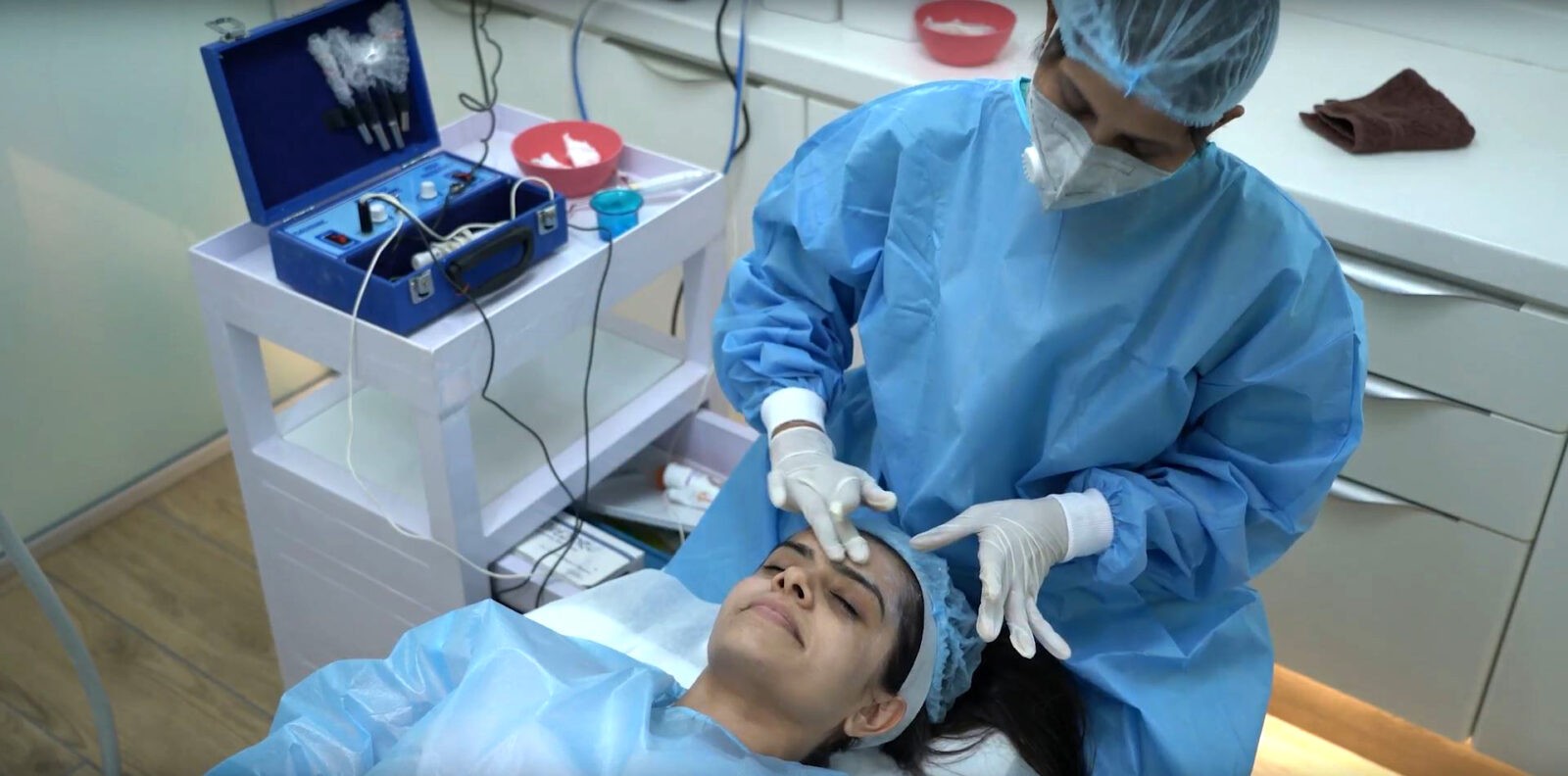
A mole on the face may require more precision than a mole on the back or arm because cosmetic outcome matters more. Areas like the nose, eyelid, lips, and chin need careful handling to reduce visible marks.
Clinical Procedures
Ranges from ₹3000 – ₹8000
Recovery After Mole Removal
Recovery depends on the treatment method, mole size, and location.
Most patients can return to routine work quickly, especially after laser or radiofrequency removal. However, the treated area needs proper care.
Common Post-Treatment Expectations
You may experience:
- Mild redness
- Temporary scabbing
- Slight tenderness
- Light pigmentation
- Gradual healing over a few days to weeks
Post-Treatment Care Tips
- Keep the treated area clean and dry as advised
- Avoid picking scabs
- Use prescribed ointments if recommended
- Avoid direct sun exposure
- Apply sunscreen once the area is healed
- Avoid harsh skincare actives near the treated site
- Follow up if there is redness, swelling, pain or discharge
Dr. Sejal Saheta’s Expert Tips
- Do not remove a mole at home using creams, acids, blades or DIY hacks.
- If a mole is changing, get it checked before choosing cosmetic removal.
- Do not delay consultation for bleeding, itching, rapid growth, or colour change.
- Always ask whether biopsy is needed for a suspicious mole.
- Facial mole removal should be done carefully to reduce scarring.
- Sunscreen is important after healing to reduce pigmentation risk.
- The safest treatment is the one chosen after proper skin examination.
If you are considering having a mole evaluated or removed, scheduling a consultation at InUrSkn Skin Hair & Body Clinic ensures that you receive the highest standard of safety and aesthetic care tailored to your skin’s needs.
FAQs About Mole Removal Cost and Treatment
1. How much does mole removal cost in Mumbai?
Mole removal cost in Mumbai depends on the mole’s size, depth, location, number of moles, treatment method, and whether biopsy is required. A dermatologist can give the correct cost after examining the mole.
2. Is mole removal painful?
Most mole removal procedures are done after numbing the area, so discomfort is usually minimal. Some patients may feel mild soreness after the procedure.
3. Is laser mole removal permanent?
Laser mole removal can give long-lasting results for selected benign moles. However, some moles may recur if pigment cells remain deeper in the skin.
4. Can I remove a mole at home?
No. Home mole removal is not recommended because it can cause burns, scars, infection, and may delay diagnosis of a suspicious mole.
5. When should I worry about a mole?
You should see a dermatologist if a mole changes in size, shape, colour, starts bleeding, itching, hurting, or looks different from your other moles.
6. Does mole removal leave a scar?
Any skin procedure can leave a mark, but dermatologist-supervised treatment aims to minimize scarring. The final result depends on mole depth, location, healing, and aftercare.
7. Who is the best doctor for mole removal?
A qualified dermatologist or skin specialist is the right doctor for mole evaluation and removal, especially if the mole is changing or located on the face.
8. Is laser mole removal safe?
Laser mole removal can be safe for selected benign moles when performed by a trained dermatologist. Suspicious moles may need a biopsy instead of a laser.
9. What is the difference between a mole, a wart and skin tag removal?
Moles are pigmented skin growths, warts are viral growths, and skin tags are soft skin-coloured growths. Their treatment methods and costs may differ.
10. How long does mole removal take?
Many mole removal procedures are completed in a short clinic visit, but the exact time depends on the mole size, number, location, and treatment method.
11. Can facial moles be removed safely?
Yes, facial mole removal can be done safely by a dermatologist after proper evaluation. The technique is chosen carefully to reduce visible marks.
12. Should every mole be removed?
No. Most moles do not need removal unless they are cosmetically concerning, irritated, or medically suspicious.




 Call us
 Book Appointment
 Enquire
 Location


