












Understanding the venereal disease meaning is important because sexually transmitted infections can sometimes exist without noticeable symptoms. A person may have an infection without visible skin changes, pain or discharge, while others may experience genital sores, unusual discharge, painful urination, rashes or other changes. WHO reports that the majority of STIs are asymptomatic, making symptoms alone an unreliable way to rule out infection. InUrSkn believes sexual-health concerns require confidential, evidence-informed and non-judgemental medical assessment. Understanding what is a venereal disease, recognising possible warning signs and knowing when testing may be appropriate can prevent people from relying solely on self-diagnosis. This guide explains the modern meaning of the term, the difference between bacterial and viral infections, common skin conditions that can resemble STI-related changes, and the role of appropriate testing.
The Venereal Disease Awareness Index
Not every genital rash, skin growth or irritation represents a sexually transmitted infection. Several dermatological conditions can produce similar-looking symptoms, making proper assessment important.
| Potential Concern | Possible Clinical Impact | Appropriate Medical Approach |
| No Visible Symptoms | An STI may remain unnoticed despite infection. | Consider testing according to exposure and individual risk. |
| Genital Discharge | Can occur with certain bacterial or parasitic infections. | Clinical assessment and appropriate laboratory testing. |
| Genital Sores / Blisters | May occur with infections such as herpes or syphilis. | Examination and targeted testing where appropriate. |
| Warts / Skin Growths | Some genital warts are associated with HPV, but not every skin growth is an STI. | Dermatological assessment before treatment. |
| Rash / Irritation | May result from infection, allergy, dermatitis or other skin conditions. | Differential diagnosis by a qualified clinician. |
Understanding Venereal Disease and Modern STI Terminology
The term venereal disease is an older expression traditionally used for infections transmitted through sexual contact. Modern medical organisations generally use sexually transmitted infection (STI) because an infection may exist without producing noticeable disease or symptoms. WHO states that more than 30 bacteria, viruses and parasites are known to be transmitted through sexual contact. Four major curable STIs are chlamydia, gonorrhoea, syphilis and trichomoniasis. Viral STIs include HIV, herpes simplex virus, hepatitis B and HPV. Therefore, when someone searches “venereal disease meaning” or “what is a venereal disease”, the modern answer is broader than a single condition. The term generally refers to sexually transmitted infections or diseases. The spelling “veneral disease” is a common search variation, but venereal disease is the correct spelling.
Viral, Fungal & Bacterial: What is the Difference?
Not all infections affecting the genital or surrounding skin belong to the same category. Understanding whether an infection is bacterial, viral or fungal is important because the diagnosis and treatment approach can be completely different.
Bacterial Infections
Bacterial STIs include conditions such as chlamydia, gonorrhoea and syphilis. Some bacterial STIs can be cured with appropriate antimicrobial treatment, although antimicrobial resistance—particularly in gonorrhoea—is an increasing global concern.
Viral Infections
Viral STIs include HIV, herpes simplex virus, hepatitis B and HPV. Treatment varies according to the virus. Some viral infections can be managed but are not currently curable, while vaccination can prevent some infections, including HPV and hepatitis B.
Fungal Infections
Fungal conditions such as candidiasis can cause genital itching, irritation or discharge, but they are not generally classified as STIs. This distinction is important because a fungal infection should not automatically be interpreted as evidence of a sexually transmitted infection.
Step-by-Step Expert Sexual-Health Assessment at InUrSkn
Our assessment process is designed around the individual’s symptoms, medical history, exposure history and clinical requirements.
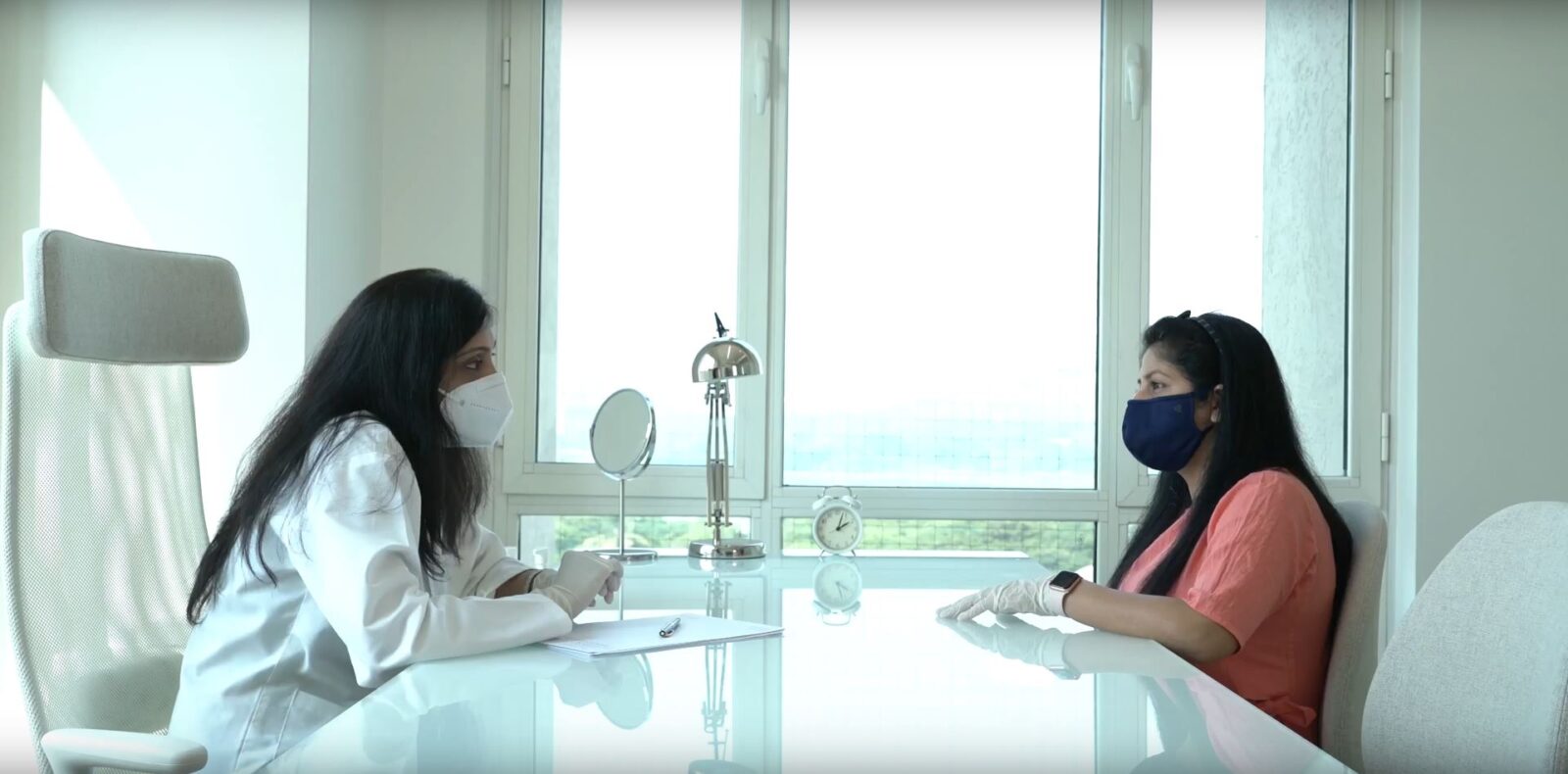
- Confidential Medical History (10–20 Minutes): We discuss symptoms, their duration, previous infections, relevant exposure and any previous testing or treatment.
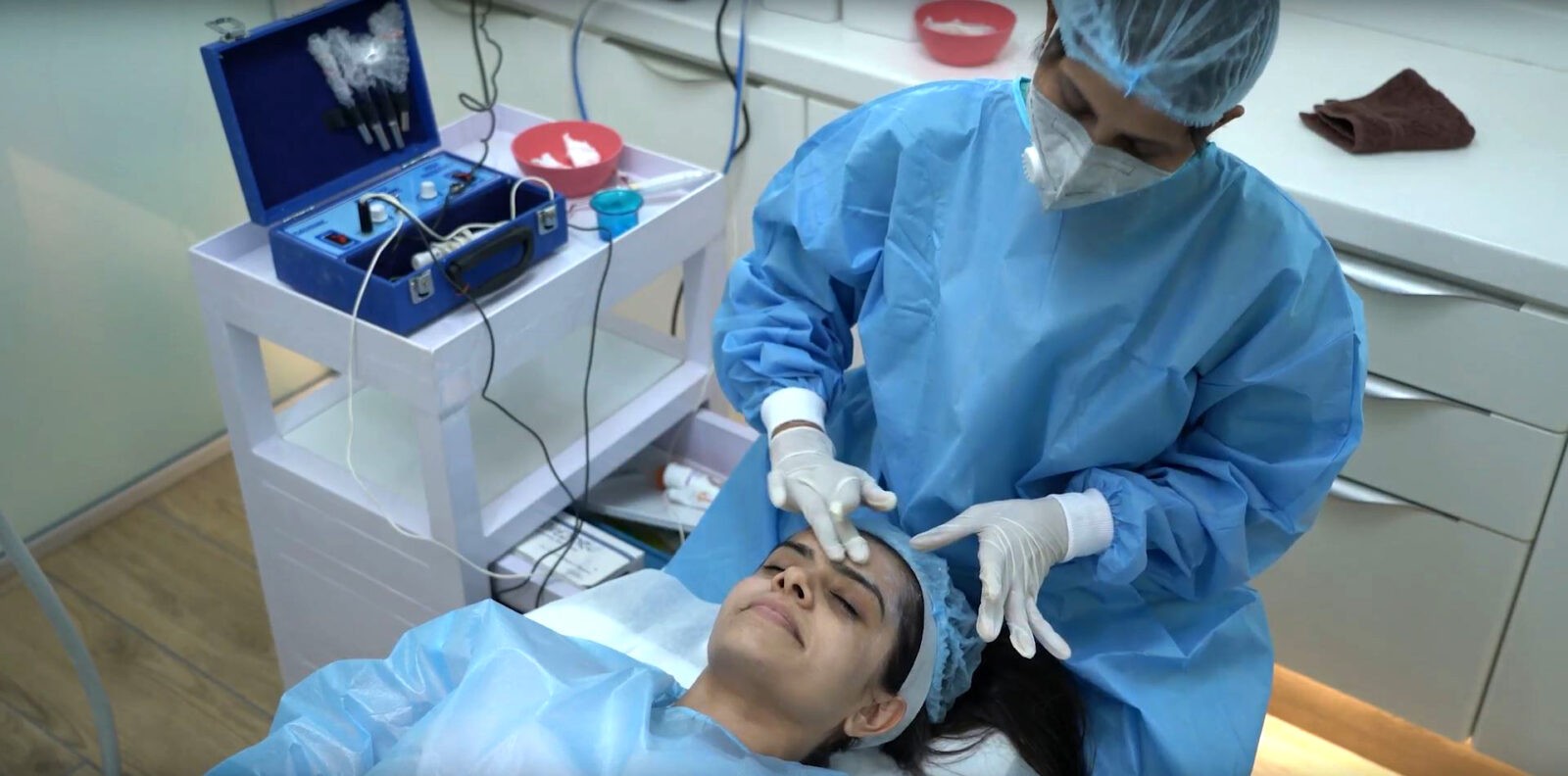
- Clinical Examination (10–15 Minutes): Where clinically appropriate, the affected skin or relevant anatomical area is assessed for sores, warts, rashes, discharge, ulcers or other changes.
- Diagnostic Testing Recommendation (10 Minutes): Depending on the suspected infection, testing may involve urine, blood or swab samples. Different infections require different diagnostic approaches.
- Results & Follow-Up Protocol: Results are reviewed with appropriate medical guidance, including treatment, further testing or specialist referral where required.
Venereal Infections & STDs Profile & Targeted Testing Guide
Different infections can present differently, and several non-STI skin conditions can look similar. The following table is a simplified educational guide rather than a diagnostic tool.
| Condition / Category | Possible Presentation | General Testing / Assessment |
| Chlamydia | Often no symptoms; discharge or painful urination may occur. | Appropriate molecular/urine or swab testing. |
| Gonorrhoea | Discharge or burning during urination may occur. | Laboratory testing using suitable specimens. |
| Syphilis | An early painless ulcer can occur; later stages may involve rash. | Clinical assessment and blood testing. |
| Genital Herpes | Painful blisters or ulcers may develop. | Clinical assessment and targeted testing where appropriate. |
| HPV / Genital Warts | Flesh-coloured or raised growths may occur. | Clinical examination; testing depends on clinical context. |
| Fungal Infection | Itching, irritation or discharge can occur. | Clinical assessment and testing when diagnosis is uncertain. |
| Allergies & Rashes | Redness, itching or irritation without an STI cause. | Dermatological assessment and history. |
WHO notes that STIs can be bacterial, viral or parasitic, while not every genital or skin condition belongs to the STI category.
Skin Growths Tags Warts, Allergies & Rashes
Skin changes around the genital area can understandably cause concern. However, a visible growth or rash should not automatically be labelled as a venereal infection.
Warts and Skin Growths
Some genital warts are associated with HPV. HPV is a viral infection that can be sexually transmitted and is also associated with several cancers. Vaccination provides an important prevention strategy against HPV-related disease. At the same time, not every genital skin growth is a wart. Benign growths, cysts, skin tags and other dermatological conditions can have similar appearances.
Allergies and Rashes
Genital irritation may also result from contact dermatitis, allergies, friction, shaving, eczema or other dermatological conditions. This is why visual similarity does not equal diagnostic similarity.
Common Skin Dermatology Concerns vs Venereal Infections
A major source of confusion is assuming that every genital skin symptom represents an STI.
| Skin Concern | Does It Automatically Mean an STI? | Why Assessment Matters |
| Genital Rash | No | Can result from dermatitis, allergy, infection or irritation. |
| Skin Tag | No | Usually benign and not automatically sexually transmitted. |
| Genital Wart | Not necessarily, but HPV can cause genital warts. | Clinical assessment can distinguish different growths. |
| Itching | No | Has numerous dermatological and infectious causes. |
| Genital Ulcer | Not automatically | Some infections can cause ulcers, but other conditions can also do so. |
Cost Analysis: Early Testing vs Delayed Assessment
The value of appropriate testing should not be measured only by the immediate consultation or laboratory expense. Delayed assessment can allow an infection to remain undetected, while self-treatment may address the wrong condition.
| Approach | Potential Impact | Overall Value |
| Early Medical Assessment | Identifies whether symptoms need investigation. | ⭐⭐⭐⭐⭐ |
| Targeted STI Testing | Provides condition-specific diagnostic information. | ⭐⭐⭐⭐⭐ |
| Self-Diagnosis | Similar symptoms may have completely different causes. | ⭐⭐ |
| Delayed Assessment | An asymptomatic infection may remain unnoticed. | ⭐ |
Do You Know?
More Than 1 Million Curable STIs Are Acquired Every Day
WHO’s September 2025 fact sheet reports that more than 1 million curable STIs are acquired every day worldwide among people aged 15–49, with the majority being asymptomatic. This is one reason why waiting for obvious symptoms is not a reliable strategy for STI detection. Source: World Health Organization – Sexually Transmitted Infections
STI Testing Depends on the Infection
There is no single test that detects every sexually transmitted infection. Screening recommendations vary according to the infection, anatomy, age, sexual exposure and individual risk factors. CDC’s current screening guidance provides infection- and population-specific recommendations. Source: CDC – STI Screening Recommendations
The STI Testing & Follow-Up Timeline
- Days 1–3: Initial Assessment Phase
The clinician reviews symptoms, exposure history and relevant medical information to determine whether STI testing or dermatological evaluation is appropriate. Care Point: Do not diagnose a venereal infection solely from photographs, online searches or one symptom.
- Days 4–10: Diagnostic Testing Phase
Depending on the suspected infection, urine, blood or swab samples may be collected. The appropriate test varies between infections. Care Point: Follow the laboratory or clinician’s instructions regarding sample collection and timing.
- Days 14–28: Results & Treatment Phase
Results are reviewed and appropriate treatment is recommended if an infection is confirmed. Care Point: Avoid self-prescribing antibiotics or antifungal medicines without appropriate medical advice.
- Months 2–6+: Follow-Up & Prevention Phase
Some infections or clinical circumstances may require repeat testing, follow-up or partner management. CDC recommends condition- and risk-specific screening rather than a one-size-fits-all approach. Care Point: Follow the clinician’s advice regarding treatment completion, repeat testing and partner notification.
Source: – https://www.cdc.gov/sti-awareness/resources/sti-clinical-guidance.html?utm_source=chatgpt.com
Recommended Daily Preventive Protocol
To reduce the risk of sexually transmitted infections and protect overall skin health, follow these practical measures:
- Consistent Protection: Use condoms correctly and consistently during sexual activity. WHO identifies condoms as one of the most effective methods of STI prevention, although they do not cover every area that can transmit infections such as herpes or syphilis.
- Testing Discipline: Consider appropriate testing following relevant exposure or when recommended by a healthcare professional.
- Avoid Self-Diagnosis: A wart, rash, ulcer or irritation cannot reliably identify its cause without appropriate clinical assessment.
- Vaccination Awareness: Vaccines are available for HPV and hepatitis B and provide important protection against these viral infections.
- Skin-Care Awareness: Avoid unnecessary irritants, aggressive shaving or unverified products on sensitive genital skin.
- Complete Prescribed Treatment: If treatment is prescribed, use it exactly as directed and follow the clinician’s advice about sexual activity during treatment.
Frequently Asked Questions (FAQ)
Q1. What is the venereal disease meaning?
It is an older term for infections traditionally associated with sexual transmission; modern medicine generally uses “STI”.
Q2. What is a venereal disease?
It traditionally refers to a sexually transmitted infection or disease.
Q3. Is “veneral disease” the correct spelling?
No. “Venereal disease” is the correct spelling.
Q4. Can a venereal infection have no symptoms?
Yes. Many STIs are asymptomatic.
Q5. Are all genital rashes STDs?
No. Allergies, dermatitis, fungal infections and other skin conditions can also cause rashes.
Q6. Are genital warts always an STI?
Genital warts can be caused by sexually transmitted HPV, but other skin growths can look similar.
Q7. Are fungal infections venereal diseases?
Generally, no. Genital fungal infections such as candidiasis are not usually classified as STIs.
Q8. What tests detect STIs?
Depending on the infection, testing may involve urine, blood or swab samples.
Q9. Can one test detect every STI?
No. Testing is selected according to the suspected infection and clinical circumstances.
Q10. Should I get tested without symptoms?
Testing may be appropriate depending on exposure and individual risk factors.
Conclusion: Understanding Venereal Disease is the First Step Towards Appropriate Testing
Understanding the venereal disease meaning is more than learning an older medical term. It means recognising that sexually transmitted infections can be caused by different types of pathogens, can occur without obvious symptoms, and require different diagnostic approaches. It is equally important not to assume that every genital rash, wart, skin growth or irritation is a venereal disease. Common dermatological conditions—including allergies, dermatitis, fungal infections and benign growths—can sometimes produce similar-looking symptoms. If you notice an unexplained genital sore, discharge, rash, wart-like growth, painful urination or another concerning change, professional assessment is preferable to self-diagnosis. Where appropriate, testing can help identify the cause and guide the next step. InUrSkn aims to provide confidential, evidence-informed care that helps patients understand their symptoms, distinguish potential STI concerns from common dermatological conditions and make informed decisions about appropriate medical evaluation. InUrSkn Skin Hair & Body Clinic Team Content at InUrSkn Skin Hair & Body Clinic is curated under the expert guidance of Dr. Sejal Saheta (MD, DNB Dermatology). Backed by extensive clinical experience, our team delivers medically accurate, evidence-based insights on dermatology, trichology, and aesthetics. We are committed to providing trustworthy information to help you safely navigate advanced skin, hair, and body treatments.



 Call us
 Book Appointment
 Enquire
 Location


