


Why choose Laser Hair Removal with InUrSkn?
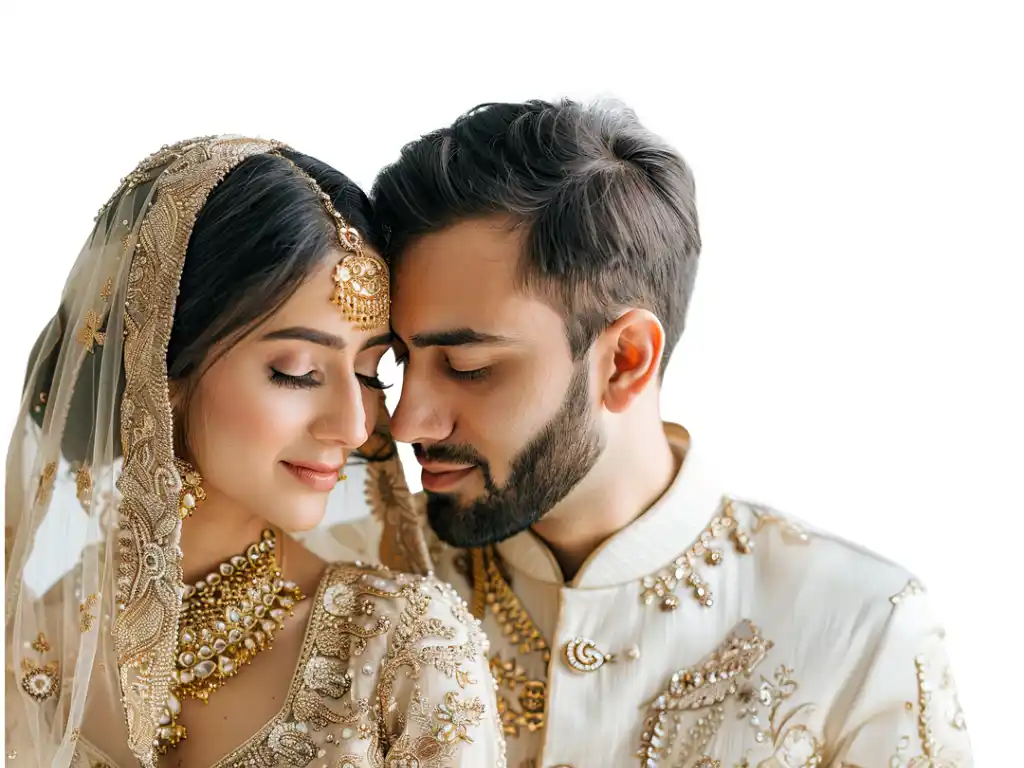
Gift your skin a glow up because your love story deserves a radiant start
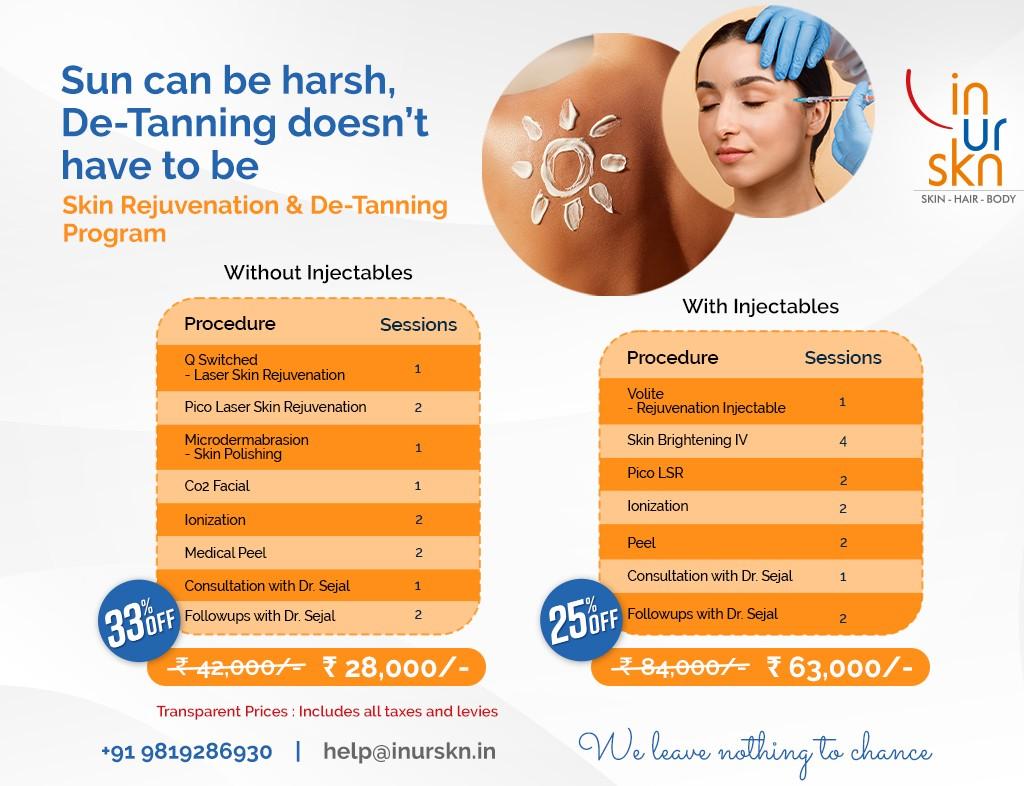
De-Tan Solution for Smooth, Even Complexion.



InUrSkn is more than just a skin a hair and body clinic. It is Dr. Sejal's promise of providing minimal intervention patient care which is holistic, personalized and humane.

Why choose Laser Hair Removal with InUrSkn?
Gift your skin a glow up because your love story deserves a radiant start



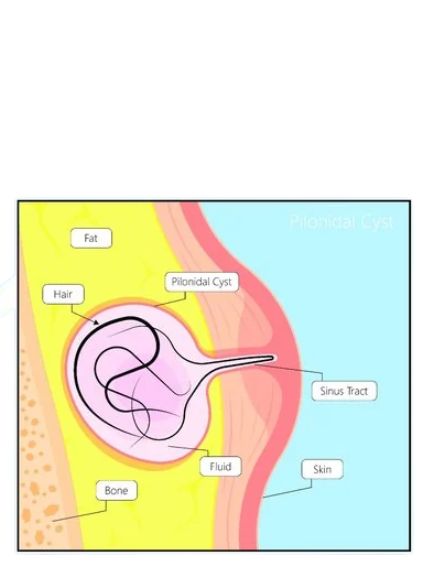
Laser Hair Reduction (LHR) for pilonidal cyst prevention is a dermatologist-guided treatment that gradually reduces hair growth in and around the natal cleft, where trapped or penetrating hairs can contribute to pilonidal sinus disease. By lowering local hair density, LHR may help reduce recurrent flare-ups, especially after appropriate treatment of pilonidal disease. It does not guarantee that a cyst will never return. Suitability and timing are assessed after examination; active infection or an unhealed wound needs medical care first.
LHR may be considered as part of recurrence-prevention care after the underlying condition has been evaluated and treated.
Once the wound has fully healed and the treating surgeon confirms it is appropriate, LHR may help with long-term hair reduction.
Hair in the buttock crease is one factor associated with pilonidal disease. A clinical assessment helps determine whether LHR is relevant.
People experiencing recurring irritation around hair follicles may benefit from assessment, but a painful lump or discharge needs diagnosis first.
A preventive plan may combine appropriate hair management, hygiene, and follow-up after treatment of pilonidal disease.
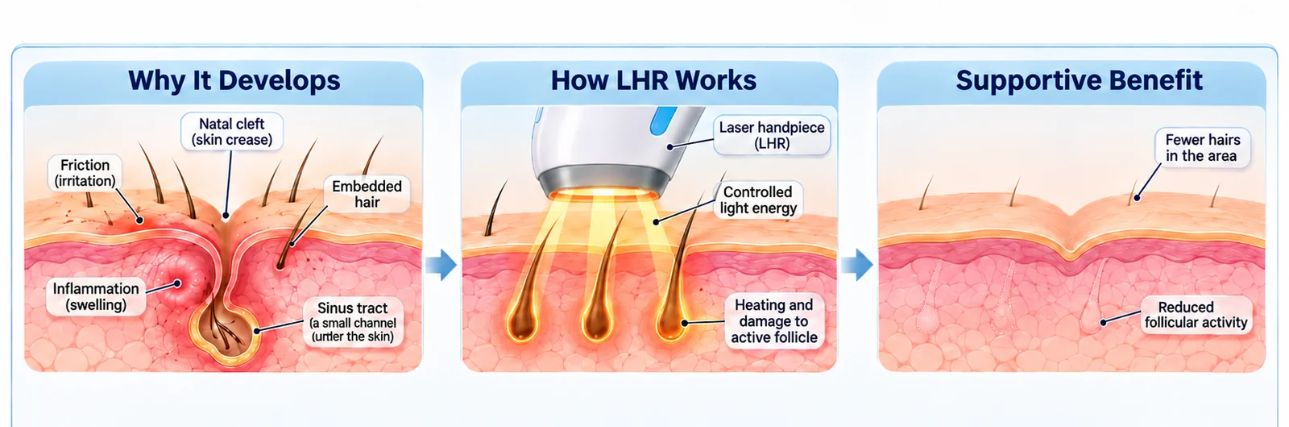
Pilonidal disease commonly occurs in the natal cleft, where loose or embedded hairs, friction and inflammation can contribute to sinus formation. Laser Hair Reduction uses controlled light energy absorbed by pigment in the hair to heat and damage actively growing follicles, reducing future hair growth over a series of sessions.
With fewer hairs in and around the crease, there may be less hair available to collect or penetrate the skin. Clinical trials and systematic reviews suggest that laser epilation, particularly as an adjunct after standard treatment, can reduce pilonidal disease recurrence. It does not treat infected tissue or close an established sinus tract.
The dermatologist selects the device and settings based on skin tone, hair characteristics and medical history. Sessions are scheduled only when the treatment area is suitable—especially after complete wound healing if surgery or drainage has been performed.



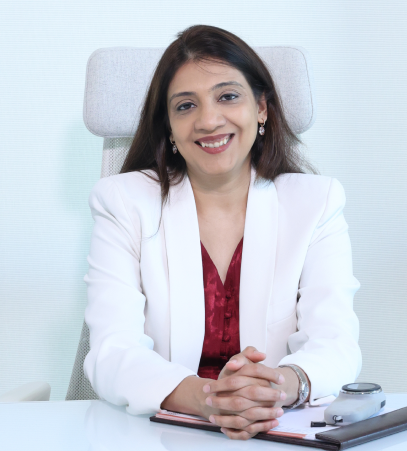
MD, DNB - Dermatology & Venereology
Dr. Sejal has dual degrees of MD and DNB in Dermatology and Venereology. She has worked with some of the senior most doctors in the largest government and private hospitals for more than 15 years. Over these years at InUrSKn, she has treated thousands of patients for a variety of conditions and needs across dermatology, venereology, cosmetology and trichology domains.
Dr. Sejal believes in a minimum intervention approach to health and believes that educating and empowering the patient is the key to good health.
Every patient at InUrSkn is seen personally by Dr. Sejal without any time limit, where she discusses the patient’s concern in detail along with understanding the history of their health and carrying out a personal examination.
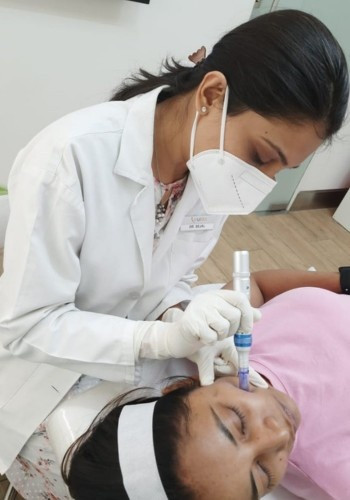
At InUrSkn, we believe that all patient care must be:
– Holistic
– Personalized
– Humane
– Minimal
Dr. Sejal and her team live by the philosophy of never prescribing medications or procedures that may not be required. When addressing a concern, Dr. Sejal ensures that a detailed history and context are thoroughly understood. Medical tests are prescribed by Dr. Sejal only when she believes there is more to the concern that needs to be addressed, ensuring the patient truly benefits.
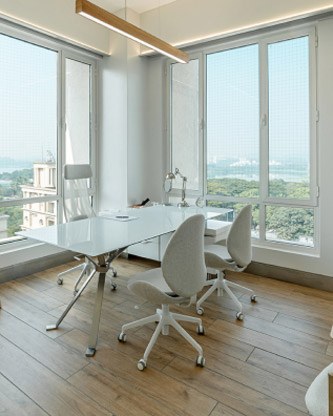
Our modern clinic is conveniently located in Powai, Mumbai, and is easily accessible from Hiranandani Gardens, Chandivali, and Vikhroli. Situated close to Dr. L H Hiranandani Hospital, the clinic is also easily reachable from Andheri East, Ghatkopar, and Kanjurmarg via the Jogeshwari–Vikhroli Link Road (JVLR) and the Andheri–Ghatkopar Link Road.
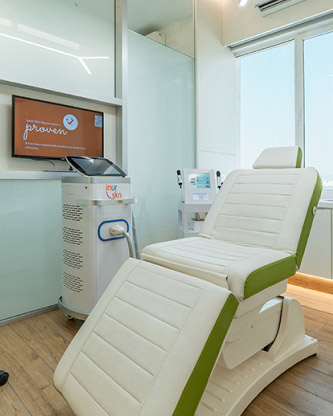
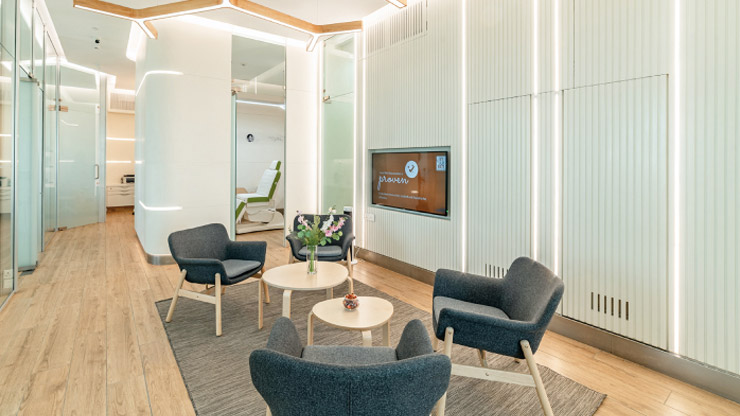
Multiple spacious procedure rooms
Full-fledged operation theatre
In-house laboratory
Latest technology
100+ Skin, Hair & Body Procedures offered
Frequent disinfection of all clinic spaces with UVC light and WHO-approved chemicals
Large waiting and treatment areas to ensure social distancing
Regular health checks for all patients and staff
Safer than salons, chain-clinics & hospitals
PPEs for patients and staff
Personal attention from Dr. Sejal Saheta (MD, DNB) - with 15+ years of experience
CIDESCO-certified aestheticians with minimum 3 years work experience
1200+ Positive Reviews on Practo and Google
5000+ Patients treated last year alone
25k+ Procedures completed
| Prices (₹) | ||
|---|---|---|
| Procedure | ||
| In Clinic Consultation with Dr. Sejal | ||
| In Clinic Consultation with Dr. Sejal | 1400 | |
| Online Consultation with Dr. Sejal | ||
| Online Consultation with Dr. Sejal | 1200 | |
Indicative Prices
Laser hair reduction may lower recurrence risk, especially when added to appropriate treatment and follow-up. Studies support a reduction in recurrences, but it cannot guarantee prevention.
No. LHR targets hair follicles, not an established sinus tract or abscess. A painful lump, pus, discharge or fever requires medical assessment; an abscess may require drainage.
Treatment should start only after the wound has fully healed and your treating surgeon or clinician confirms the area is ready. The timing depends on the surgery, wound and recovery.
Multiple sessions are usually necessary because the laser targets hairs most effectively during particular growth phases. A clinician may discuss around 6–8 sessions spaced approximately 4–6 weeks apart, but schedules and maintenance needs vary.
You may feel brief heat or a snapping sensation. Comfort measures and laser settings are individualized; sensitivity differs from person to person.
Temporary redness, swelling around follicles or mild tenderness can occur. Less common risks include burns or changes in pigmentation. Your clinician will explain aftercare and when to seek review.
No. An active abscess, infection, open wound or significant inflammation should be evaluated and managed before laser sessions are considered.
Many skin tones can be treated with an appropriately selected device and settings, but effectiveness is generally better with pigmented hair. Very light, grey or white hair may respond poorly. A consultation is needed.
Shaving cuts hair at the skin surface and must be repeated frequently. LHR targets follicles to produce progressive, longer-lasting hair reduction; however, repeat sessions and occasional maintenance may still be required.
Follow your surgeon’s advice, keep the cleft clean and dry, manage hair as recommended, and attend follow-up appointments. Contact a clinician promptly if pain, swelling or discharge returns.
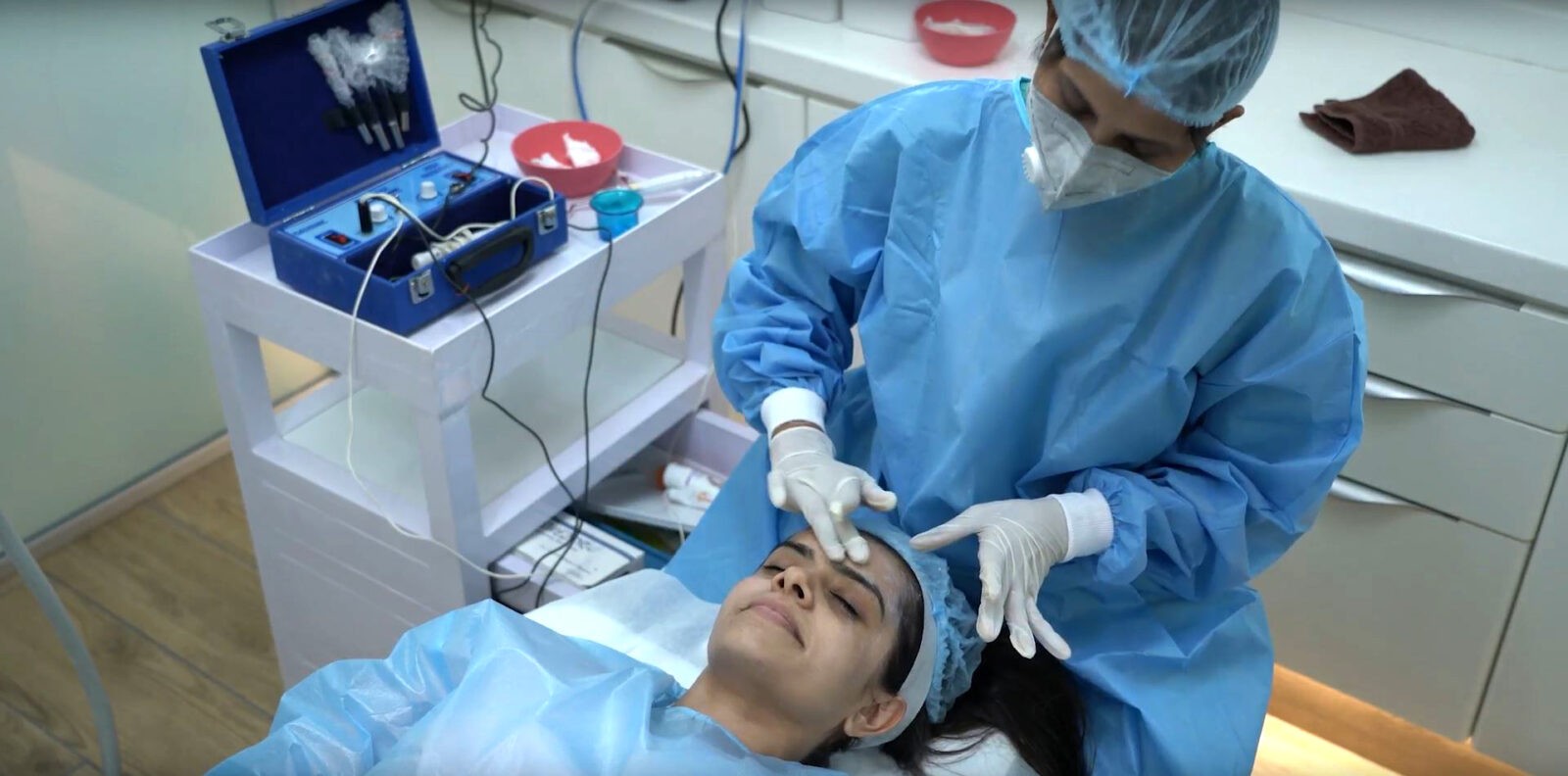
Ready to book an appointment?
BOOK
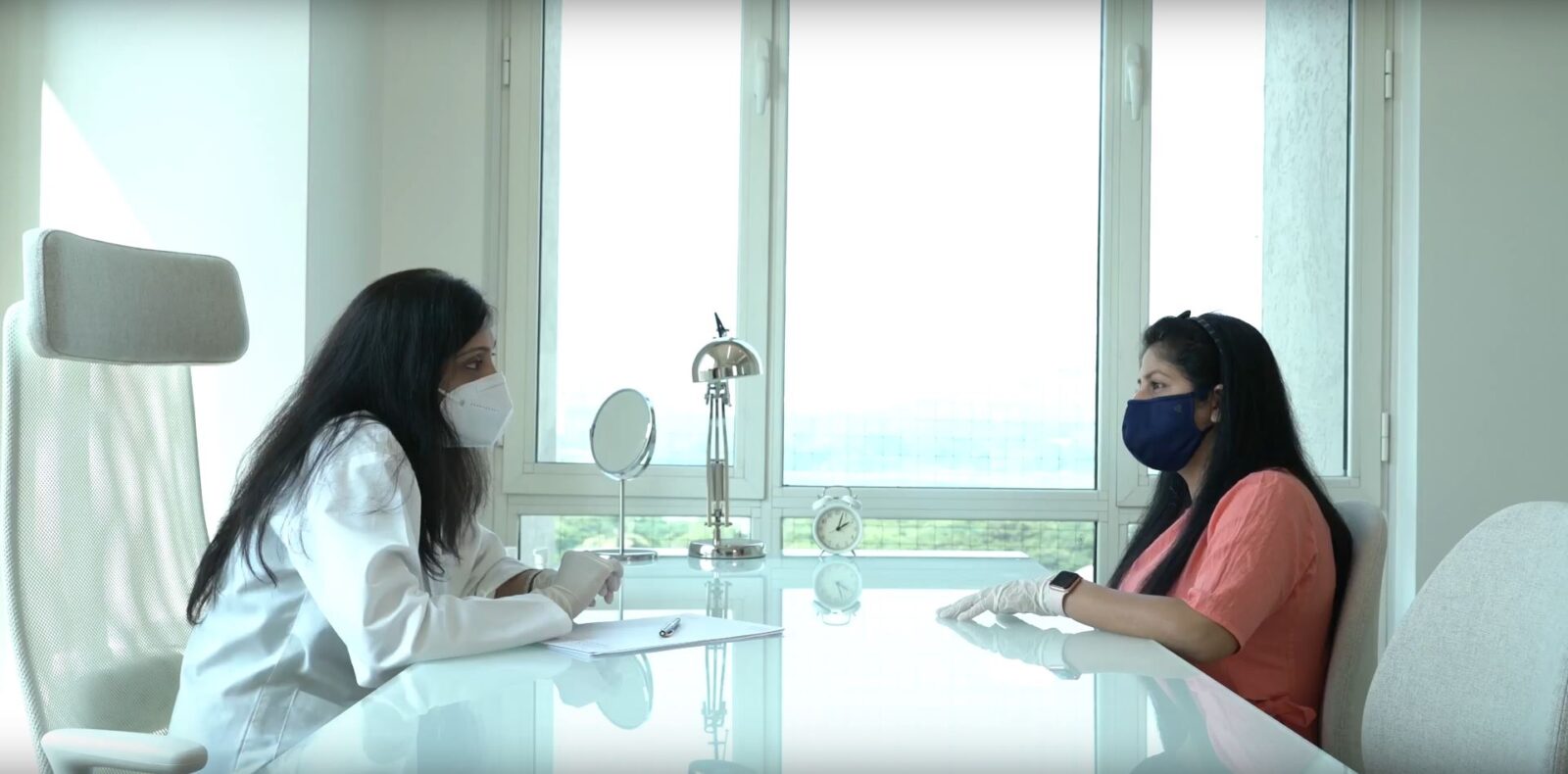
Want to talk about your needs ?
MAKE AN enquiry
Dr. Sejal Saheta -
InUrSkn Skin & Hair Clinic
B-Wing, #705, 7th Floor, Powai Plaza - Commercial Wing, Central Ave, Hiranandani Gardens, Powai, Mumbai, Maharashtra 400076
 Location
Email Us - help@inurskn.in
Call Us - +91 9819286930 / +91 9326028277







 Call us
 Book Appointment
 Enquire